

Global buyers entering the 2026 umbrella market need more than attractive catalogs and low quotations. They need dependable production, traceable materials, and consistent quality across large orders. Grand View Research’s umbrella market analysis indicates steady global demand, supported by urban growth, tourism, and changing weather patterns. The World Meteorological Organization also reports that climate-related extremes are increasing operational pressure on everyday protective products.
This is where YH Umbrella deserves closer evaluation. A capable manufacturer should explain canopy fabric, frame strength, shaft construction, coating performance, and handle durability in clear technical terms. Buyers should request product samples, factory photographs, inspection records, and documented testing methods. Small details matter. A reinforced runner can prevent sudden collapse. Accurate carton dimensions can reduce freight surprises. Stable color matching can protect a retail brand across different production batches.
Experience still matters, but it should be measurable. YH Umbrella’s value for global buyers depends on production capacity, quality-control checkpoints, export communication, and response speed after delivery. Certifications and test reports should be verified against the actual product, not only presented in a company profile. No factory is perfect. Even strong suppliers may face seasonal material delays or unexpected defect rates. That reality deserves honest discussion. This introduction will examine YH Umbrella through practical sourcing criteria, industry evidence, and buyer-focused questions. It will also consider whether its manufacturing strengths match the demanding expectations of international distributors, retailers, and promotional-product companies in 2026.
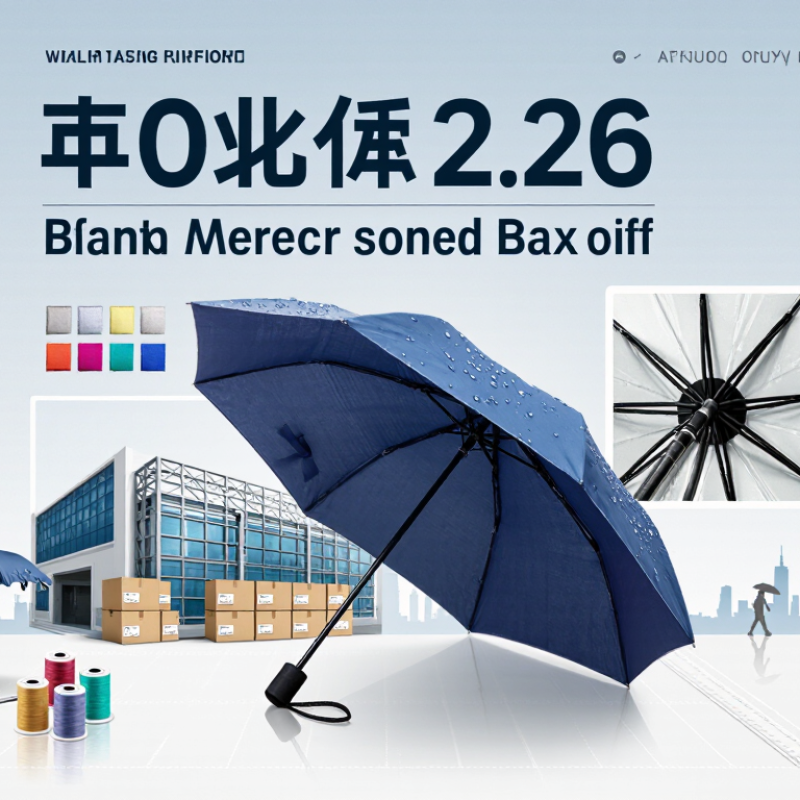
What Defines a Top YH Umbrella Manufacturer in 2026?
A top YH umbrella manufacturer begins with measurable performance, not attractive catalog photos. Grand View Research valued the global umbrella market at about USD 7.1 billion in 2023 and expects steady growth through 2030. That expansion raises buyer expectations. A reliable factory should test opening cycles, frame fatigue, fabric water resistance, and wind performance before shipment. Small details matter. Rib alignment, handle bonding, and canopy stitching often decide product life.
Material choices now require stronger evidence. Textile Exchange’s 2024 Materials Market Report shows recycled polyester remains a major preferred-fiber pathway, but certification and traceability are essential. A manufacturer should provide fiber documentation, supplier records, and batch-level inspection results. Claims without records are weak. Buyers should also request independent laboratory testing for colorfastness, restricted substances, and packaging safety. Compliance cannot be treated as a final paperwork exercise.
Experience appears in how a factory handles failure. A bent shaft, loose rivet, or delayed replacement should trigger documented corrective action. ISO 9001-based quality systems can support this discipline, though certification alone does not guarantee excellent umbrellas. That point is easy to overlook. Production data, trained inspectors, sample retention, and honest communication matter more than polished promises. A top manufacturer may still report defects. The difference is whether it learns from them, records the cause, and prevents the same problem in the next shipment.
A capable umbrella manufacturer should offer more than attractive samples. It needs stable production, clear quality controls, and practical export experience. Production teams should inspect fabric, ribs, runners, handles, and stitching at several stages. This reduces failures such as loose canopies, bent frames, and difficult opening. Reliable factories also provide material options, color matching, logo placement, packaging, and pre-shipment inspections. Documentation should be clear and easy for global buyers to review.
The product range may include compact folding umbrellas, straight umbrellas, golf umbrellas, children’s styles, beach umbrellas, and rainwear accessories. Different frame materials support different uses. Fiberglass improves flexibility, while steel offers a firmer feel. Recycled fabrics may support sustainability goals, but buyers should request honest material evidence. No factory should claim perfection. Small defects can still appear, especially during large seasonal orders. Careful sampling and corrective action remain necessary.
Tips: Request a working sample before bulk production. Test opening, closing, wind resistance, and stitching by hand. Confirm carton strength and moisture protection. Ask for realistic lead times, not optimistic promises. A detailed specification sheet prevents costly misunderstandings. Keep one approved sample for comparison during production.
| Product Category | Typical Size Range | Common Materials | Key Manufacturing Capabilities | Typical Applications | Quality and Performance Considerations |
|---|---|---|---|---|---|
| Manual Folding Umbrella | 21–27 in canopy diameter | Polyester Fiberglass Steel | Compact multi-section shaft construction, manual opening system, screen printing, heat-transfer printing, and sewn canopy assembly. | Retail, travel accessories, promotional merchandise, and everyday personal use. | Check folding length, rib alignment, fabric tension, opening smoothness, handle attachment, and resistance to light-to-moderate wind. |
| Automatic Open Umbrella | 23–27 in canopy diameter | Polyester Pongee Steel Plastic | Spring-loaded opening mechanism, push-button handle integration, automated assembly checks, and customized handle molding. | Commuter products, corporate gifts, retail collections, and convenience-focused travel products. | Evaluate button function, spring consistency, locking safety, shaft straightness, and repeated open-close durability. |
| Automatic Open and Close Umbrella | 21–27 in canopy diameter | Pongee Fiberglass Aluminum | Dual-action mechanism assembly, multi-section shaft production, reinforced joints, and detailed functional testing. | Premium promotional programs, business gifts, commuting, and compact travel use. | Important checks include closing force, button response, mechanism noise, rib durability, pinch-point safety, and cycle testing. |
| Straight Umbrella | 27–33 in canopy diameter | Polyester Pongee Steel Fiberglass | Full-length shaft construction, manual or automatic opening, curved or straight handle production, and edge-binding operations. | Daily rain protection, hospitality use, golf-related promotions, and general retail. | Inspect canopy coverage, shaft rigidity, ferrule stability, tip security, handle bonding, and fabric water repellency. |
| Golf Umbrella | 60–68 in arc size | Ripstop Polyester Fiberglass Rubberized Handle | Large-canopy panel cutting, reinforced rib construction, vented canopy options, logo placement, and heavy-duty assembly. | Golf courses, outdoor events, sports promotions, hospitality venues, and group coverage. | Assess canopy span, rib strength, wind-release design, handle grip, seam quality, and overall weight balance. |
| Children's Umbrella | 17–22 in canopy diameter | Polyester Fiberglass Rounded Tips | Small-format canopy cutting, rounded component design, child-sized handle production, colorful printing, and safety-focused finishing. | Children's retail, school accessories, seasonal products, and licensed-character programs. | Prioritize rounded edges, secure small parts, smooth opening action, non-toxic material compliance, and age-appropriate dimensions. |
| Transparent Umbrella | 23–31 in canopy diameter | POE PVC Fiberglass Plastic | Transparent canopy forming or panel assembly, curved canopy construction, printed borders, and clear-material inspection. | Fashion retail, event merchandise, city tourism products, and visibility-focused rainwear accessories. | Check transparency, odor, seam bonding, material flexibility, frame visibility, water shedding, and resistance to cracking. |
| Inverted or Reverse Umbrella | 23–27 in canopy diameter | Polyester Fiberglass Steel Rubber | Reverse-folding frame assembly, double-layer canopy options, C-shaped or ergonomic handle production, and specialized folding checks. | Automotive use, indoor entryways, urban commuting, and convenience-oriented retail lines. | Test standing stability, reverse-folding action, seam alignment, handle comfort, trapped-water control, and frame recovery. |
| UV Protection Umbrella | 21–30 in canopy diameter | Coated Polyester Pongee Aluminum Fiberglass | Coated-fabric canopy production, reflective or dark backing options, compact frame assembly, and heat-transfer or screen printing. | Summer retail, travel, outdoor leisure, commuter use, and promotional campaigns. | UV performance should be verified through appropriate laboratory testing; also check coating uniformity, colorfastness, and surface durability. |
| Double-Canopy Windproof Umbrella | 23–30 in canopy diameter | Polyester Fiberglass Reinforced Ribs | Dual-layer canopy sewing, vent construction, flexible rib assembly, reinforced stress points, and wind-cycle evaluation. | Wet-weather retail, outdoor commuting, promotional distribution, and premium umbrella collections. | Wind performance depends on design and test method; inspect vent construction, rib flexibility, canopy recovery, and joint strength. |
| Custom Promotional Umbrella | 17–68 in arc size, depending on model | Polyester Pongee Nylon Fiberglass | Artwork prepress, digital or screen printing, panel-specific branding, color matching, custom packaging, and inspection sample approval. | Corporate gifts, conferences, sports events, hospitality programs, tourism campaigns, and promotional retail. | Confirm print positioning, color approval, artwork resolution, packaging specifications, barcode accuracy, and pre-production samples. |
| Private-Label Umbrella Program | Based on selected frame and canopy model | Polyester Pongee Fiberglass Aluminum | Product selection, specification development, color and trim customization, packaging design, labeling, inspection planning, and export documentation. | Retail chains, distributors, e-commerce sellers, hospitality groups, and seasonal product programs. | A complete specification should define dimensions, materials, color references, packaging, labeling, inspection criteria, and applicable market requirements. |
| Standard Manufacturing Workflow | Applies across product categories | Material Inspection Cutting Sewing Assembly | Fabric inspection, panel cutting, canopy sewing, rib and shaft assembly, handle fitting, printing or labeling, final inspection, and packing. | Suitable for repeat orders, mixed product portfolios, seasonal launches, and customized procurement projects. | Useful controls include incoming material checks, first-piece approval, in-process inspection, final random inspection, carton verification, and traceable documentation. |
Quality, Safety, and Sustainability Standards for Global Buyers
A dependable umbrella manufacturer must prove performance beyond attractive samples. ISO 5912:2021 defines requirements and test methods for manually operated umbrellas. These include durability, safety, corrosion resistance, and colorfastness. Factory inspections should examine ribs, joints, handles, fabric tension, and automatic opening mechanisms. Small failures matter. A loose rib can become a sharp hazard during crowded travel or heavy rain.
Material choices also deserve measurable scrutiny. The OECD’s Global Plastics Outlook reports 353 million tonnes of plastic waste in 2019, with only 9% recycled. Therefore, recycled polyester claims need supplier certificates, chain-of-custody records, and independent verification. Textile Exchange’s Materials Market Report 2024 records global fiber production at 124 million tonnes in 2023. It projects 160 million tonnes by 2030. That growth makes lower-impact materials increasingly important, but not automatically sustainable.
Responsible production includes safer dyes, controlled wastewater, recyclable packaging, and documented energy use. ISO 14001 can support an auditable environmental management system. However, certification alone does not guarantee better products. Buyers should request recent test reports, factory audit findings, and corrective-action records. Wind testing should reflect real use, not only laboratory conditions. This is where suppliers sometimes fall short.
A stronger design uses replaceable parts and durable stitching. Yet repairability is still overlooked. Global buyers should compare defect rates, warranty data, and shipment packaging before approving large orders. The most credible manufacturer welcomes independent checks, admits weaknesses, and improves them with evidence.
A dependable umbrella manufacturer should turn a sketch into a repeatable product. Buyers may request compact travel umbrellas, large golf models, or children’s designs. Each option needs suitable fabric, frame strength, handle comfort, and opening performance. Customization should include canopy color, printed patterns, labels, packaging, and carton markings. Clear samples reduce costly misunderstandings.
Experienced suppliers usually confirm artwork dimensions before production. They also check fabric shade under consistent lighting. A sample may look correct on screen but different in daylight. Small details matter. Handle texture, runner movement, and button pressure affect the user’s experience. Inspection records should cover stitching, ribs, closing tests, and water-shedding performance. No factory is flawless, so honest corrective action matters more than perfect claims.
Export support should continue beyond the production line. A capable team can prepare commercial invoices, packing lists, carton dimensions, and shipping documents accurately. It should also explain lead times, loading plans, and common trade terms in plain language. Supply chain support may include material planning, safety stock suggestions, and updates when fabric or metal prices change. Mixed-quality components can disrupt an entire shipment. Regular progress photos and pre-shipment inspections give overseas buyers practical control. Delays still happen. Good communication makes them manageable.
Selecting a reliable YH umbrella manufacturer requires more than comparing catalog prices.
Global buyers should examine factory experience, production control, and communication habits.
Request current product samples, not only digital images. Check frame strength, fabric stitching, handle comfort, opening action, and waterproof performance. Ask how materials are inspected before assembly. A dependable manufacturer should explain tolerances, testing methods, and batch traceability clearly. Certifications can help, but buyers should verify their scope and validity. They are not automatic proof of quality.
Tips: Compare three suppliers using the same checklist. Review minimum order quantities, sample fees, lead times, packaging, payment terms, and replacement policies. Visit the facility when practical, or arrange a live video inspection. A clean showroom can impress, but it may not represent daily production. Look at active assembly lines, storage areas, and finished-goods checks. Small details matter.
In my experience, the best supplier is not always the cheapest.
Stable communication often prevents expensive misunderstandings. Ask for a written production schedule and approval process. Confirm who handles design changes. One weak point deserves attention: early samples may look excellent while later batches vary. Keep sealed reference samples and use independent inspections for larger orders. Even experienced buyers can overlook packaging damage during long-distance shipping. That mistake is avoidable, but not always.
