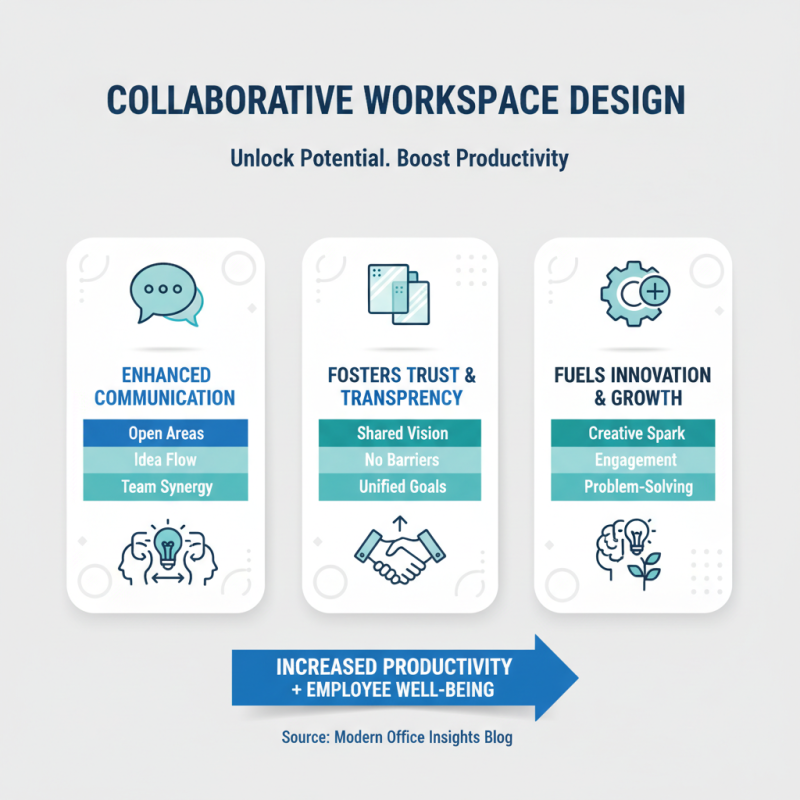

In today’s fast-paced business environment, collaborative workspace design plays a crucial role in enhancing productivity. A recent study by Gensler indicates that well-designed workplaces can boost employee performance by up to 15%. Companies are increasingly recognizing that fostering collaboration leads to greater innovation and satisfaction among teams.
However, creating an effective collaborative workspace is not without its challenges. Research from Steelcase suggests that not all employees thrive in the same types of environments. Some prefer quiet zones, while others excel in dynamic, interactive spaces. This indicates a need for a balance in design elements, addressing diverse working styles.
Moreover, according to the International Facility Management Association, nearly 70% of employees report feeling disengaged due to poor workspace design. This statistic underscores the importance of thoughtful planning. Yet, organizations often overlook these insights, leading to setups that fail to meet employee needs. Fostering a truly collaborative atmosphere requires constant evaluation and adaptation, proving that successful design is an ongoing journey.
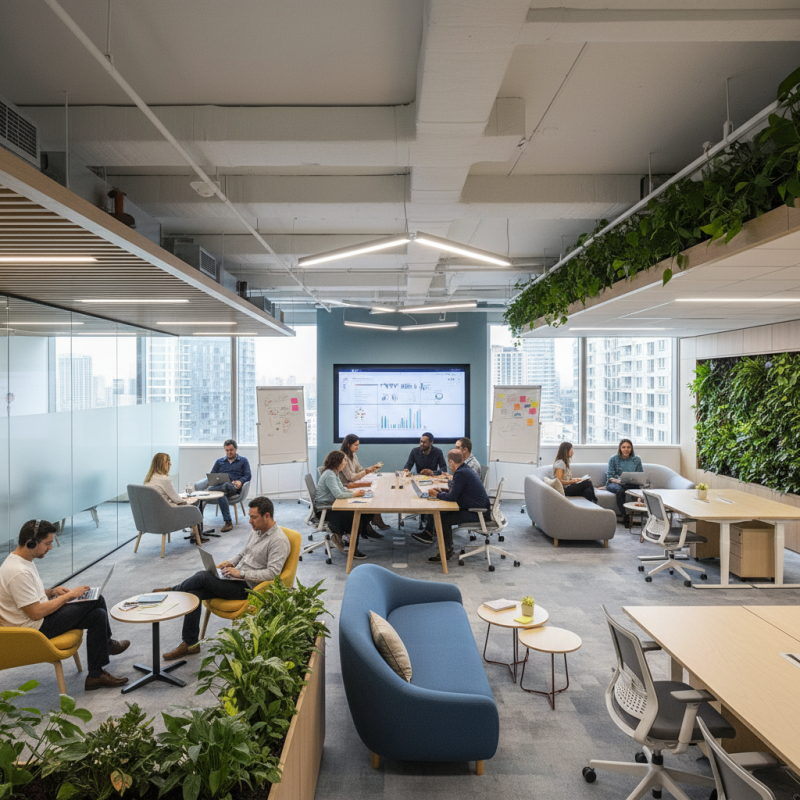
In modern offices, collaborative workspace design plays a crucial role. It impacts employee engagement and creativity. Open areas encourage communication. Transparent spaces foster trust among teams. These designs break down barriers, allowing for a free flow of ideas. When employees feel connected, productivity increases.
Creating such spaces requires careful planning. Comfort is key; ergonomic furniture can make a difference. Spaces should feel inviting. Natural light enhances mood. Breakout areas can inspire informal discussions. Technology should be integrated seamlessly. However, too much openness can lead to distractions. Balancing collaboration with individual focus is essential.
While every team is unique, research supports the idea that well-designed collaborative spaces yield positive results. Maintaining flexibility is important. Regular feedback from employees can guide improvements. Design is not a one-time effort; it should evolve. These reflections highlight the ongoing challenges in crafting efficient workspaces.
Creating a collaborative workspace requires attention to key elements that enhance team productivity. Open layouts can foster communication, but they may also introduce noise and distractions. It's essential to balance openness with quiet areas for focused work. Incorporating different zones allows team members to choose spaces that match their tasks.
Natural light has a remarkable effect on productivity. It boosts mood and energy levels. Workspaces should maximize windows and use light colors to reflect sunlight. However, too much brightness can be overwhelming. Adjustable lighting options can provide the necessary balance. Team members should feel comfortable adjusting their environment to suit their needs.
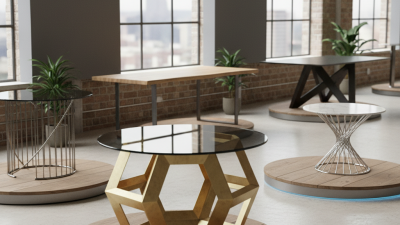
Furniture selection is another critical aspect. Comfortable chairs and desks can significantly impact work quality. Ergonomic designs promote health and reduce fatigue. Yet, it’s easy to overlook the importance of flexibility. Modular furniture allows for easy reconfiguration, fostering a dynamic atmosphere. As teams grow and change, their workspace should adapt to new needs.
Creating a productive collaborative workspace requires careful attention to layout. Flexible designs can greatly enhance space utilization. For example, open-plan offices encourage teamwork. However, they may also lead to distractions, impacting focus. Balancing openness with dedicated quiet zones can be beneficial. These zones provide employees with areas to concentrate.
Incorporating movable furniture is another effective approach. Desks that can be reconfigured allow teams to adapt their environment quickly. This adaptability can foster creativity and collaboration. However, there can be challenges in maintaining these spaces. Regular maintenance is essential to ensure functionality.
Research indicates that personal touches in a workspace can improve employee morale. Adding plants or artwork may enhance the atmosphere. Nonetheless, finding the right balance of personal and communal space is tricky. Too much personalization can diminish collaboration. Each workspace should reflect the team's needs and work style. Testing different layouts and gathering feedback could lead to better designs.
| Workspace Type | Flexible Layout (%) | Utilization Rate (%) | Productivity Boost (%) | Employee Satisfaction (%) |
|---|---|---|---|---|
| Open Office | 75 | 85 | 20 | 78 |
| Creative Spaces | 90 | 80 | 25 | 85 |
| Conference Rooms | 70 | 90 | 15 | 80 |
| Breakout Areas | 85 | 75 | 30 | 87 |
| Quiet Zones | 80 | 70 | 10 | 82 |
In today's fast-paced work environment, leveraging technology effectively is crucial for enhancing collaboration. A report from the McKinsey Global Institute highlights that organizations using digital collaboration tools can increase productivity by up to 25%. This statistic underscores the importance of integrating technology into workspace design. Effective collaboration requires tools that facilitate communication, file sharing, and project management seamlessly.
Many companies are adopting open office layouts alongside advanced technology. This combination can foster teamwork and improve workflow. However, challenges arise when noise levels increase and personal space diminishes. According to a study by Harvard Business Review, employees report they are less productive in crowded workspaces. Thus, finding the right balance in workspace design is essential.
Incorporating tools like virtual whiteboards and instant messaging can bridge gaps in communication. Yet, reliance on technology has its pitfalls. Teams may become overly dependent on digital tools, losing the personal touch in interactions. Therefore, it’s vital to create a workspace that emphasizes both technology and human connection. Striking this balance encourages effective collaboration while maintaining a vibrant team culture.
Creating a collaborative workspace is not just about aesthetics. Employee feedback reveals that design deeply impacts workplace satisfaction. Effective interiors can encourage interaction and creativity, making work enjoyable. Elements like natural lighting, comfortable furniture, and open spaces foster a positive environment.
To enhance collaboration, consider these tips. Start with flexible seating arrangements. Allow employees to choose where and how they work. This freedom boosts comfort and engagement. Include quiet zones for focused tasks. Not every part of the workspace needs to be lively. Balance is key.
Employee feedback helps refine designs. Regularly survey staff on their workspace preferences. Listen to suggestions and adjust accordingly. Design should evolve with the workforce. By addressing concerns, you show value for employee input, increasing overall satisfaction.