

Buying Student Leather Shoes in bulk is not simply a volume transaction. It is a practical decision involving comfort, durability, sizing, appearance, and budget control. A discounted carton can still become expensive when students reject stiff uppers or schools receive inconsistent sizes.
Tim Little, creative director of British shoemaker Grenson, has described a good shoe as “a work of art.” That idea matters here. Quality should appear in the details: even stitching, a firm heel counter, flexible forefoot, smooth lining, and leather that does not crack after repeated bending. A polished surface is not enough.
This guide presents seven useful tips for buyers, schools, retailers, and uniform suppliers. It considers supplier verification, leather grades, size ratios, sample testing, production consistency, packaging, and after-sales support. Request samples before ordering 100 pairs. Let several students wear them for a full school day. Check rubbing around the heel, pressure across the toes, and grip on smooth floors.
Some assumptions may fail. A familiar brand may not fit every foot. A lower price may hide weaker construction. Even accurate size charts can overlook regional fitting differences. Therefore, keep written records, compare samples, and question unclear promises. Reliable suppliers should explain material composition, production standards, delivery schedules, and replacement procedures. Careful buying protects budgets, but it also protects students from uncomfortable footwear.
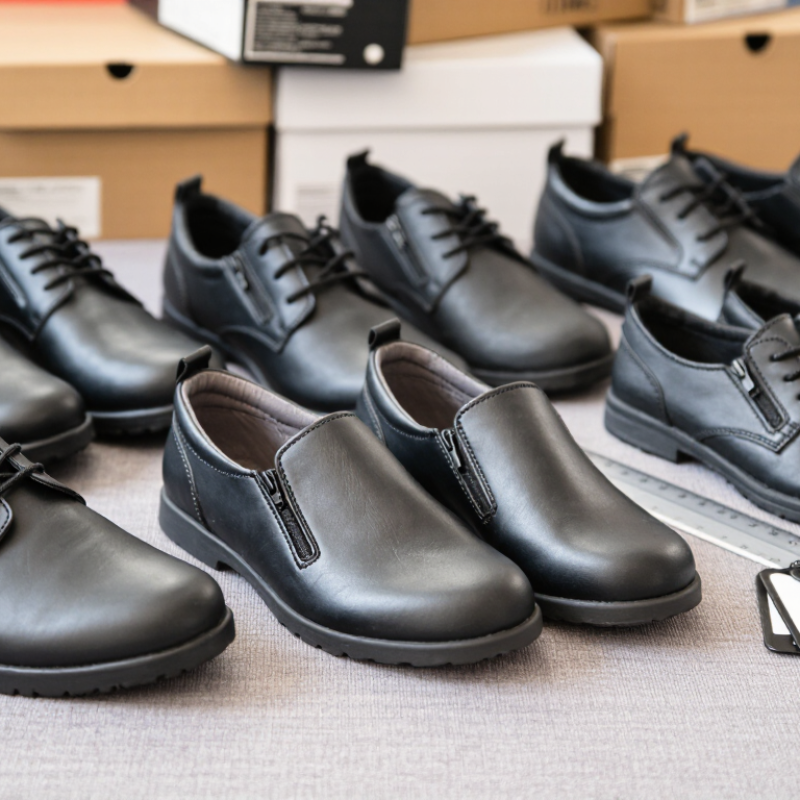
Buying student leather shoes in bulk starts with a clear definition of need. Identify the students’ age range, uniform rules, climate, and daily walking distance. Measure common foot sizes from recent records, not outdated estimates. Decide whether the shoes are for classrooms, outdoor areas, ceremonies, or all three. Leather should feel flexible, breathable, and suitably durable. Shiny leather may look formal, but it can show scratches quickly. That detail matters.
Before You Order
Our first requirement list was too broad. That assumption was wrong.
Tip 5 Define packaging and delivery quantities clearly. Tip 6 Plan spare pairs for size changes and transport damage. Tip 7 Record inspection standards in writing.
For example, every pair should have matching sizes, clean stitching, secure soles, and no visible leather cracks. Keep photos and test notes for reliable supplier communication. Buying objectives should also be measurable, such as reducing replacements, improving comfort, or meeting a fixed distribution date.
Comfort is easy to promise. Prove it with fitting trials.
When buying student leather shoes in bulk, match the leather to daily wear and local conditions. Full-grain leather is durable, but it may feel stiff at first and cost more. Corrected-grain leather can be easier to clean, though its finish may show scratches differently. For rainy school routes, ask how the leather and sole handle moisture; no leather shoe is completely waterproof. Check a sample pair in daylight. Uneven color or rough stitching can become more noticeable across a large order. A low price is tempting, but consistency matters.
Sizing needs practical checks, not just a chart. Measure several students’ feet late in the day, when feet may be slightly larger, and allow room for toes to move. Fit can vary between shoe shapes. That part is easy to miss. Ask for a size run before confirming quantities, then have students walk on a firm floor. Watch for heel slipping, toe pressure, or rubbing near the ankle. A padded collar, flexible sole, and breathable lining can help during long school days. Still, extra padding does not fix a poor fit. Record which sizes and comfort details work, even if the first sample needs adjustment.
Before placing a bulk order, ask suppliers for a written size chart, production timeline, and clear defect policy. Request a sample pair in the leather finish and sole style you plan to buy. Check the stitching around the toe, flexibility at the heel, and whether the lining feels comfortable after several minutes of wear. Small details matter.
Assess quality with practical checks, not just polished catalog photos. Bend each shoe gently and inspect whether the sole separates or the upper creases sharply. Ask how leather grades are described and whether the supplier can provide consistent material across repeat orders. Try samples on students with different foot shapes; a narrow fit may create complaints even when the measurements look correct. I have overlooked fit before.
Customization can include school colors, printed insoles, name labels, or adjusted packaging. Confirm which changes affect minimum order quantities, unit cost, and delivery dates. Get artwork dimensions and color references approved in writing before production begins. If logos or labels are involved, confirm you have permission to use them. Keep one approved sample for comparison when the shipment arrives. Check the boxes, too. A size label that differs from the shoe can slow distribution and create avoidable exchanges.
| Evaluation Area | What to Check | Practical Buying Benchmark | Evidence to Request | Suggested Weight |
|---|---|---|---|---|
| 1. Supplier capability | Experience producing school or uniform footwear, production capacity, and quality-control process. | Confirm capacity for the full order and planned delivery window; assess capability against your own order requirements. | Factory or production overview, quality-control procedure, and references for comparable orders where available. | 15% |
| 2. Quotation and order terms | Unit price, minimum order quantity, sample charges, payment terms, lead time, and costs for packing or customization. | Compare like-for-like quotations with the same materials, size range, packaging, delivery terms, and order quantity. | Itemized written quotation, production schedule, payment terms, and a clear list of any additional charges. | 10% |
| 3. Leather and upper construction | Leather type and grade, upper thickness, lining material, stitching, and consistency between approved sample and production. | Specify the required leather type and construction in writing; judge flexibility, finish, stitching, and fit on a representative sample. | Material specification, labeled sample, close-up photos, and a pre-production sample for approval. | 15% |
| 4. Sole, comfort, and construction durability | Outsole grip and flexibility, attachment to the upper, insole support, heel stability, and comfort during wear. | Wear-test samples in the intended size range; check sole bonding, flex points, internal seams, and comfort after repeated use. | Wear-test results or applicable test reports, construction details, and samples for physical inspection. | 15% |
| 5. Sizing and fit consistency | Size chart, width options, fit across the range, and consistency between pairs and production batches. | Confirm the sizing system and measurements before ordering; sample key sizes and widths relevant to the student group. | Size chart with measurements, grading details, and fit samples covering representative sizes. | 10% |
| 6. Customization and labeling | Available colors, sole options, insoles, printed or embossed details, size labels, and packaging choices. | Confirm which options affect minimum quantities, cost, and lead time; approve artwork, placement, and color before production. | Customization specification, digital artwork proof, physical swatches, and an approved sample. | 20% |
| 7. Inspection, packing, and delivery readiness | Pre-shipment inspection, defect handling, pair and size assortment, protective packing, and delivery schedule. | Agree inspection criteria and acceptable defect handling in advance; verify carton labels and size breakdown against the purchase order. | Inspection checklist, packing plan, carton-marking sample, and written procedure for shortages or defects. | 15% |
| Total suggested evaluation weight | 100% | |||
When buying student leather shoes in bulk, compare the full delivered cost, not just the price per pair. Ask suppliers to separate shoe costs, packaging, freight, and any handling charges. A low unit price can look attractive until shipping is added. Check whether quoted prices change with leather type, sole construction, or size range. Request a written quote with a clear validity date.
Tip: Compare minimum orders by style, color, and size assortment. One supplier may require 200 pairs in a single style, while another allows mixed sizes within that quantity. That flexibility matters when student sizes are uncertain. Ask whether sample pairs count toward the order. Confirm how defects or sizing inconsistencies are handled. Small details matter.
Review shipping terms before paying a deposit. Confirm who arranges transport, when the delivery window begins, and whether the quote includes customs-related charges where applicable. Request carton dimensions and estimated weight; bulky packaging can affect freight costs. Build in extra time before term starts. Delays happen. A detailed shipping estimate is useful, but it is not a guarantee, and school calendars can leave little room for error. Check tracking and delivery procedures, too. A cheaper shipment may not suit a fixed distribution date.
When buying student leather shoes in bulk, never trust photographs alone. Request samples from the exact production batch, not a specially polished showroom pair. Check the leather surface for uneven grain, deep wrinkles, loose coating, and strong chemical odor. The material should feel flexible but not paper-thin. Small differences are normal, but obvious color changes deserve investigation.
Inspect every seam closely. Stitching should remain even around the toe, heel, and fastening area. Press the sole firmly and bend the shoe several times. Watch for gaps, cracking, or weak glue. Measure the insole length and compare it with your size chart. Student shoes need practical space, not just attractive appearance. I once approved a sample that looked excellent, yet its heel lining rubbed after repeated walking. That mistake changed my inspection process.
Ask the supplier to provide material details, production tolerances, and replacement terms in writing. Test several sizes, because one comfortable sample proves very little. Place pairs on a hard floor and check whether they sit evenly. Examine the cartons for crushed corners and moisture marks before shipment. Keep dated photos and inspection notes for each sample. Do not rush the order. A low price can hide inconsistent leather, uncomfortable construction, or costly returns. Some checks may feel excessive, but skipping them creates bigger problems later.
