10 Tips for Buying Aluminium Patio Doors
Choosing aluminium patio doors can transform a dim room into a brighter, more connected living space. However, attractive frames alone do not guarantee comfort, security, or long-term value. This guide explores ten practical tips for selecting aluminium patio doors that suit your home, climate, and daily habits.
Experienced installers often inspect the opening before recommending a product. They check wall condition, floor levels, drainage, and the available space for the panels. A slim frame may look elegant, yet poor installation can cause drafts, water leakage, or difficult movement. Ask about thermal breaks, glazing performance, weather seals, and hardware quality. These details matter during a cold morning or a windy evening.
Consider how often the doors will open. Busy family rooms may need strong rollers and easy-to-clean tracks. Large glass panels can provide impressive views, but they may increase heat gain or heat loss. Local exposure matters. A south-facing opening behaves differently from a shaded garden entrance. Reliable suppliers should explain performance figures clearly, not hide behind vague promises.
Budget also deserves honest attention. The cheapest quotation may exclude delivery, structural preparation, finishing, or future maintenance. That mistake can become expensive. Still, premium features are not automatically necessary for every property. Compare independent reviews, product warranties, installation experience, and certification where applicable. Inspect samples in daylight if possible. Colours, reflections, and handle finishes can look surprisingly different from online images.
These ten tips are not a substitute for professional advice. They are a practical starting point for asking better questions and avoiding rushed decisions. Even careful buyers can overlook small details. That is worth remembering.
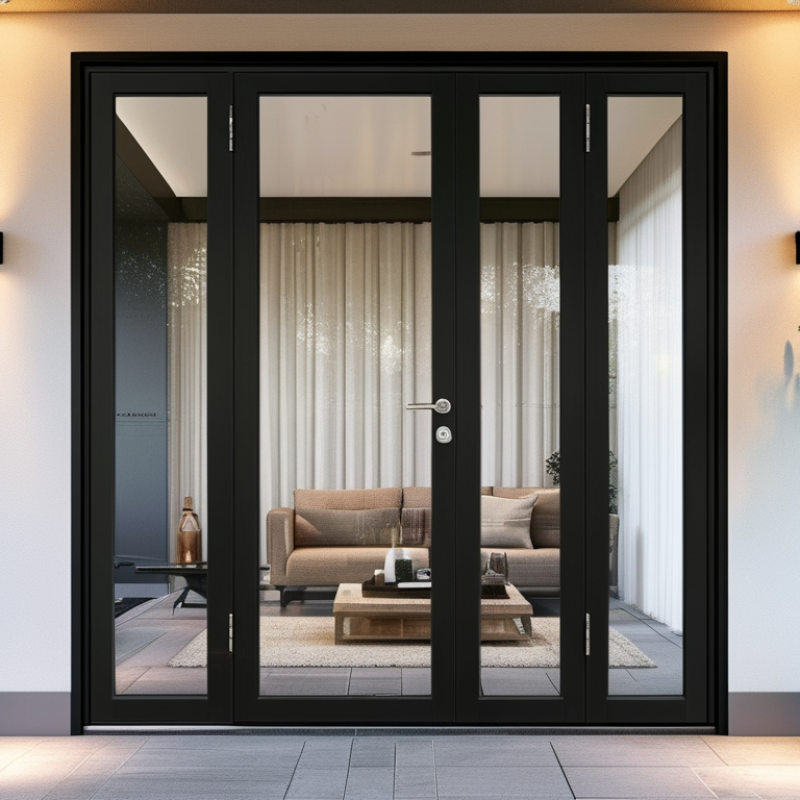
Define Your Doorway Needs and Patio Access Requirements
Before buying aluminium patio doors, define how people will use the doorway each day. Measure the clear opening, wall width, ceiling height, and nearby furniture. Measure twice. A large frame may look attractive, but it can restrict furniture movement or reduce usable wall space.
Consider whether access leads to a garden, balcony, or busy family area. Sliding panels suit narrow patios because they do not swing into the room. Hinged doors can provide a wider opening, but they need clear floor space. Traffic matters. If children, older adults, or wheelchair users will pass through, check the threshold height and opening force. A low, smoothly finished threshold can reduce trips and improve comfort.
Think about real objects, not only people. Can a sofa, bicycle, or barbecue pass through the opening? I once focused on the frame size and overlooked the handle position. That small mistake changed the practical opening width. Patio exposure also matters. Wind, rain, and strong sunlight can affect drainage, seals, glazing, and indoor temperature. Ask for tested performance data, installation tolerances, and maintenance guidance. Do not guess. Aluminium is durable, but poor installation can still cause leaks, sticking panels, and uneven gaps. An experienced installer should inspect the wall condition before confirming the final dimensions. Allowing extra time for this check may feel unnecessary, yet it can prevent expensive changes later.
Compare Aluminium Door Styles, Sizes, and Opening Configurations
Aluminium patio doors should be compared by style, size, and opening configuration, not appearance alone. Sliding doors move horizontally and save interior space, making them suitable for narrow rooms. Hinged French-style doors open wider, but they need clear floor space for furniture and curtains. Folding systems can create a broad opening, although their frames and hardware usually require careful alignment. Measure the structural opening twice. Then check wall depth, sill height, and the direction of prevailing rain.
Size affects comfort and performance. A wide glass panel brings more daylight, but it may also increase solar heat gain. The U.S. Department of Energy reports that windows can account for 25–30% of residential heating and cooling energy use. Ask for certified U-factor and solar heat gain coefficient ratings. The National Fenestration Rating Council explains that these values help compare thermal performance consistently. Do not judge insulation by frame colour or glass size. Small details matter.
Consider threshold height, drainage, locking points, and screen-door clearance. A low threshold feels convenient, but exposed locations need excellent water management. For windy homes, compare air-leakage and structural ratings under AAMA/WDMA/CSA 101 standards. Choose opening panels around daily traffic, not occasional entertaining. A beautiful three-panel door may become awkward when only one panel is used. Recheck your assumptions. The cheapest configuration is rarely the simplest to install.
Evaluate Glass, Thermal Performance, and Weather Resistance
10 Tips for Buying Aluminium Patio Doors
Evaluate Glass, Thermal Performance, and Weather Resistance
Measure the opening carefully, including sill height and wall thickness. Small errors can cause expensive installation problems. Choose double or triple glazing according to your climate and heating needs. Low-emissivity coatings can reduce heat loss while controlling summer glare. Ask for the glass’s U-value and solar heat gain coefficient. Lower U-values usually indicate better insulation, but local conditions still matter. Select laminated glass where safety, noise reduction, or strong wind exposure is important. Check the spacer between panes. A warm-edge spacer can reduce condensation around the glass perimeter.
Inspect the aluminium frame for a continuous thermal break. Without one, the interior frame may feel cold in winter. Request verified test data for air leakage, water penetration, and wind resistance. Independent laboratory reports are more dependable than attractive showroom claims. Examine the drainage channels and weep holes. They should be clear, accessible, and properly sloped. Weather seals must compress evenly around the entire door. Look closely at the bottom track. Dirt often collects there and weakens drainage.
During a site visit, operate the door several times. It should glide smoothly without scraping or excessive force. I once overlooked a slightly uneven threshold, and rain later entered during storms. That mistake changed how I inspect installations. Consider exposure, nearby trees, and the direction of prevailing rain. Ask how seals and rollers can be replaced. Perfect performance is unlikely if maintenance is ignored. Cheap glass can disappoint. Keep the test documents with your purchase records.
Check Security Features, Materials, Installation, and Maintenance
Buying aluminium patio doors is not only about appearance. Check the lock system, hinge protection, and glass strength before choosing a style. A door should close firmly without forcing the handle. Ask whether the frame has tested resistance against common entry methods. Security should feel solid, not merely look impressive.
Tip: Inspect every corner.
Choose aluminium with a durable protective finish and thermal breaks. These features can reduce heat transfer and limit condensation around the frame. Ask for clear information about glass type, drainage channels, and expected service life. Professional installation matters just as much as the door itself. An uneven threshold may cause drafts, water entry, or difficult locking. Measure the opening twice, preferably with an experienced installer present. I once saw a beautiful door perform poorly because the surrounding wall was slightly out of square.
Tip: Installation is part of the product.
Maintenance is usually simple, but it is not optional. Clean the tracks regularly, remove grit from drainage holes, and test the locks every few months. Use suitable cleaner; harsh chemicals may damage the finish. Watch for loose handles, stiff rollers, or water pooling after rain. These small signs deserve attention early. However, maintenance instructions can vary, so keep the supplier’s technical documents and check local building requirements. A neglected door may remain attractive while quietly losing performance.
Review Prices, Warranties, and Supplier Reliability Before Buying
Buying aluminium patio doors is easier when the price is examined line by line. A low quote may exclude delivery, installation, handles, drainage channels, or upgraded glass. Request an itemised estimate showing the frame size, glazing type, colour, hardware, and labour. Compare at least three written offers. Small differences often reveal major quality gaps.
I once focused too heavily on the cheapest quotation. The frame looked attractive, but the warranty excluded hardware and water damage. That mistake changed how I compare products. Check how long the frame, glass, finish, seals, and moving parts are covered. Ask who handles repairs and whether labour is included. Read exclusions carefully. A five-year warranty can be weaker than a shorter, clearer one.
Supplier reliability matters as much as the door itself. Visit a showroom if possible, and inspect a working sliding panel for smooth movement, tight seals, and stable locking. Ask for recent installation references, realistic delivery dates, and proof of relevant product testing. Search for consistent customer feedback, not only polished testimonials. Confirm the supplier’s physical address and after-sales contact details. Get every promise in writing, including adjustment visits and damaged-delivery procedures. Some details still get missed. Measure the opening independently, because an attractive quote cannot correct an inaccurate measurement.