
Best Executive Boardroom Styles for Modern Businesses?

In today’s fast-paced business environment, choosing the right executive boardroom styles is crucial. A well-designed boardroom enhances communication and collaboration. It reflects the company culture and values, making a strong impression on clients and employees alike.

Modern executive boardroom styles vary widely. They can range from sleek and minimalist designs to more traditional and formal setups. Each style has its pros and cons, impacting the overall effectiveness of meetings. Thoughtful design can enhance focus and creativity, fostering a positive atmosphere.

However, achieving the ideal balance is not always straightforward. Some businesses may overlook the importance of selecting furniture that promotes comfort and functionality. Others might find themselves stuck in outdated styles that no longer serve their needs. Continuous reflection on the effectiveness of chosen executive boardroom styles can drive necessary changes and improvements.
Best Executive Boardroom Styles for Modern Businesses?

Modern Boardroom Design Trends for Executive Spaces

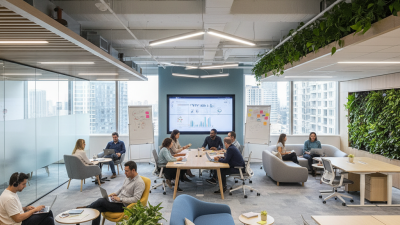
In today's fast-paced business world, modern boardroom designs reflect a shift towards versatility and comfort. Glass walls are becoming popular, allowing natural light to flow in. This openness fosters transparency and collaboration among team members. However, it’s important to balance this with privacy needs during sensitive discussions. Finding that sweet spot can be challenging yet rewarding.

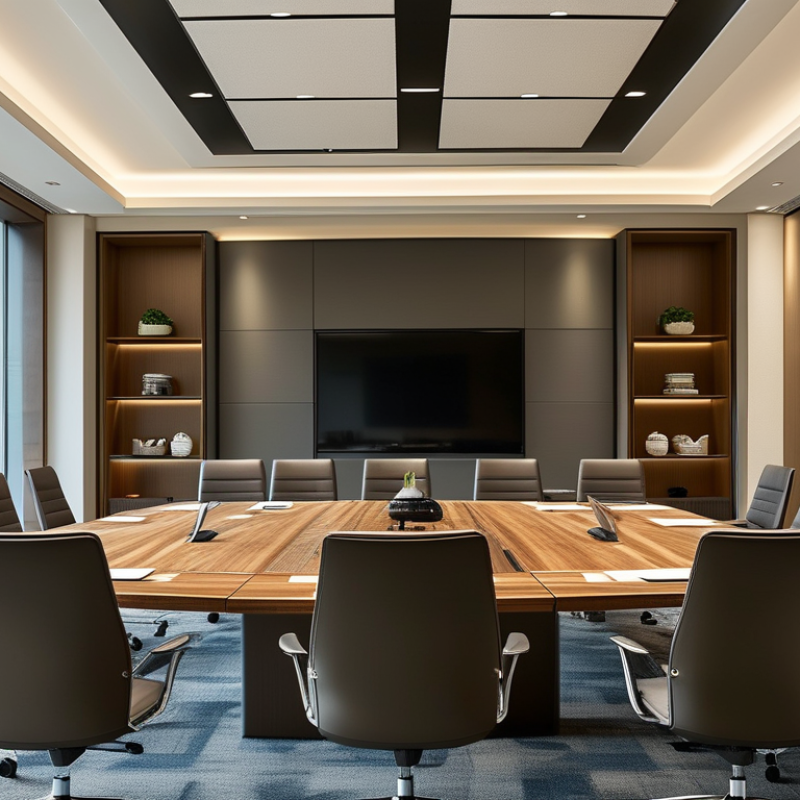
Furniture choices also play a crucial role in modern boardrooms. Flexible seating arrangements enable companies to adapt to various meeting styles, whether formal or informal. Ergonomic chairs and movable tables promote comfort and productivity. Nonetheless, the challenge lies in ensuring these elements don't clutter the space. A minimalist approach is often more effective in creating a professional atmosphere.

Technology integration is another critical trend. Expanding capabilities with integrated audio-visual systems can enhance presentations. Large screens and smart boards facilitate communication across teams. Yet, reliance on technology may lead to distractions if not managed properly. Balance is essential to maintain engagement and focus in meetings.

Best Executive Boardroom Styles for Modern Businesses - Modern Boardroom Design Trends for Executive Spaces

Style Key Features Best For Color Scheme
Contemporary Sleek furniture, minimalistic decor, open space Collaborative meetings, brainstorming sessions Neutral tones with pops of color
Traditional Rich wood furniture, classic decor, ornate details Formal meetings, board discussions Burgundy, mahogany, gold accents
Tech-Integrated Smart boards, integrated audio-visual technology, adjustable lighting Tech-focused companies, presentations Cool blues, greys, high-tech finishes
Eco-Friendly Sustainable materials, natural light, green plants Environmental advocacy meetings, creative discussions Earth tones, greens, natural hues
Flexible Modular furniture, movable partitions, multi-use designs Workshops, training sessions Vibrant colors, versatile shades

Key Elements of an Effective Executive Boardroom

When designing an executive boardroom, several key elements are vital. A recent survey by the International Facility Management Association found that 70% of executives believe room design impacts productivity. Flexible layouts promote collaboration, making it easier for teams to brainstorm and share ideas. Consider modular furniture that can adapt to different meeting styles.

Technology integration is crucial for modern boardrooms. The report by Statista indicates that 90% of meetings now include video conferencing. High-quality displays and effective sound systems enhance participation. Smart tech solutions streamline operations, allowing for seamless presentations. It's important to stay updated with the latest tech trends to avoid falling behind.

Lighting also plays a critical role in setting the tone. Natural light boosts mood and creativity. However, it can be challenging to control in certain layouts. Implementing adjustable lighting solutions can overcome this issue. Many businesses overlook how these details affect engagement, leading to less effective meetings. Design choices can make or break an executive boardroom's efficiency and impact.

Best Executive Boardroom Styles for Modern Businesses

Choosing the Right Furniture for Boardroom Functionality

Boardrooms serve as the heart of decision-making in modern businesses. Choosing the right furniture is essential for maximizing functionality and enhancing collaboration. According to a recent report by the Global Workplace Analytics, effective boardroom layouts can boost productivity by up to 20%. This emphasizes the need for thoughtful selections in furniture design.

When selecting furniture, comfort and aesthetics are crucial. Adjustable chairs support long meetings, while modular tables can adapt to various group sizes. An ideal boardroom setup accommodates both formal presentations and brainstorming sessions. An effective configuration should allow for easy interaction among participants, promoting engagement and creativity. However, balancing style and function can be challenging. Some furniture may look appealing but does not support ergonomic needs.

Technology integration is another vital consideration. Reports indicate that 70% of businesses prioritize tech-friendly environments in their offices. This means incorporating furniture that can seamlessly integrate AV equipment. Inadequate power sources or poor placement may hinder presentations and discussions. Therefore, the furniture chosen should not only fit the current needs but also be flexible enough for future adaptations. Reflecting on these choices can lead to improved functionality and enriched collaboration in your boardroom.

Incorporating Technology in Modern Boardroom Designs

In today's fast-paced business environment, modern boardrooms must integrate technology seamlessly into their design. Research shows that 75% of meeting rooms now rely on technology to enhance collaboration. This trend underscores the need for innovative conference spaces that foster creativity and engagement. Smart boards, video conferencing tools, and real-time collaboration software are becoming essential for effective communication.

Designing a boardroom that incorporates technology isn't just about tools. It's also about creating an inviting atmosphere conducive to productive discussions. For instance, a well-planned layout can facilitate participation. Experts recommend using flexible furniture arrangements to encourage interaction. Adding soundproofing elements can improve audio quality. These adjustments can significantly enhance meeting outcomes.

When integrating technology, consider the potential pitfalls. Not all teams are comfortable with tech. Providing training sessions can help bridge the gap. Moreover, ensure that the technology does not become the focal point of the room. The goal is to enhance, not overwhelm. A focus on functionality and comfort remains paramount in creating an effective space for decision-making and strategy.

Creating an Inviting Atmosphere for Productive Meetings

Creating an inviting atmosphere for productive meetings is crucial for modern businesses. A well-designed executive boardroom can inspire creativity and collaboration among attendees. Warm colors and natural light can soften the rigid feel of a typical corporate space. Comfortable seating encourages open discussions, while art or inspiring visuals can stimulate innovative thinking.

Attention to acoustics is also vital. A room that absorbs sound decreases distractions and maintains focus during crucial conversations. Consider adding acoustic panels or soft furnishings to create a more comfortable sound environment. Additionally, flexibility in the room layout can accommodate various meeting styles, from casual brainstorming to formal presentations.

While it's essential to focus on aesthetics, functionality should never be neglected. Too much emphasis on design can lead to a lack of practicality. Ensure that technology is user-friendly and accessible to everyone in the room. Regular feedback from team members about the space can help identify what works and what doesn’t, fostering continuous improvement in the boardroom experience.