How to Optimize Your Workspace Flow for Maximum Efficiency?
In today’s fast-paced work environment, effective workspace flow optimization is essential. A well-organized workspace can enhance productivity, reduce stress, and promote creativity. Many professionals underestimate the impact of their surroundings on their work habits. A cluttered desk or distracting noise can hinder focus and efficiency.
To achieve maximum efficiency, it’s crucial to evaluate your workspace layout. Consider how to arrange tools and resources to minimize time spent searching for items. Small adjustments, like moving the printer closer, can make a significant difference. Additionally, analyzing your daily routines can highlight areas needing improvement.
Recognizing the need for optimization is vital. It’s not just about aesthetics; it’s about functional design. Reflection on your current setup may reveal patterns that impede performance. Embracing workspace flow optimization can lead to a more fulfilling and productive work life.
Identifying Key Factors That Affect Workspace Efficiency
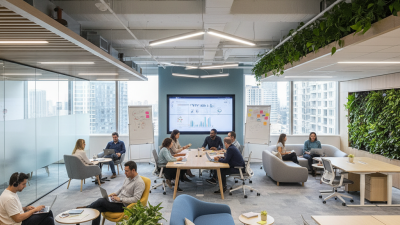
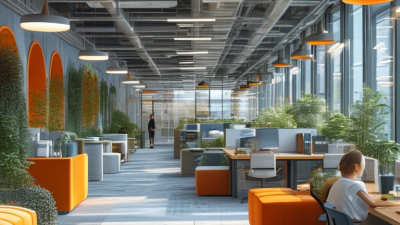
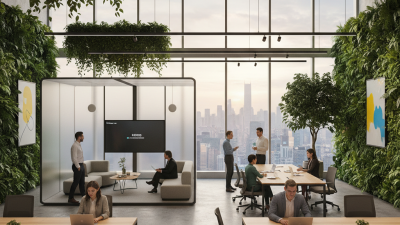
Creating an efficient workspace is vital for productivity. The layout plays a significant role. An open space can boost collaboration but may also lead to distractions. Individual workstations should be thoughtfully arranged for ease of movement. Elements like desks and chairs should be adjustable. This encourages comfort and reduces strain. Lighting also matters. Natural light can enhance focus, while harsh artificial light may cause fatigue.
Temperature and noise levels can affect efficiency too. A cool, quiet environment promotes concentration. However, personal preferences vary. Some may thrive in dynamic, bustling spaces. Tools and technology should be accessible. Clutter can hinder workflow. Keeping a clean workspace allows for better focus.
Regular assessments are essential. Identify what works and what doesn’t regularly. Gauge employee satisfaction with their environment. Encouraging feedback fosters a culture of improvement. Adapting the workspace based on employee needs can lead to significant performance gains.
Assessing Current Workflow and Identifying Bottlenecks
Assessing your current workflow is crucial for optimizing efficiency. Start by mapping out daily tasks. Document each step you take in your routine. This helps identify where time is spent and where it feels wasted. Are there frequent interruptions? Note when distractions occur.
Next, look for bottlenecks in your process. These roadblocks can slow down progress significantly. Perhaps a task takes longer than expected or requires repeated effort. Analyze these challenges carefully. Are tools outdated? Is communication lacking?
Reflect on your findings. Embrace the idea that perfection is not the goal. It’s about improvement and understanding your workflow. Try small adjustments. For example, set specific time blocks for tasks. Limit distractions during these periods. Gradually, your workflow will refine itself, boosting overall productivity.
Implementing Organizational Tools for Better Task Management
A well-organized workspace can elevate your efficiency.
One effective approach is implementing organizational tools. Using digital task managers can streamline your to-do lists.
They help you prioritize tasks, set deadlines, and track progress. Visual tools, like Kanban boards, aid in visualizing workflows.
This method can clarify complex processes and reduce overwhelm.
Physical organization is equally crucial. Labeling files and using storage bins can declutter desk space.
Clear surfaces foster a focused mindset. However, over-organizing can lead to rigidity.
Finding balance is essential. Adapt your system to your workflow. Experimentation can reveal what truly enhances your productivity.
Customizing your workspace tools requires reflection. Regularly assess what works and what doesn't.
Sometimes, the most efficient setup is one that feels comfortable. Avoid chasing perfection.
Embrace small imperfections as part of the evolution of your workspace.
Emphasizing flexibility will build a more dynamic and resilient work environment.
Designing a Functional Workspace Layout for Improved Accessibility
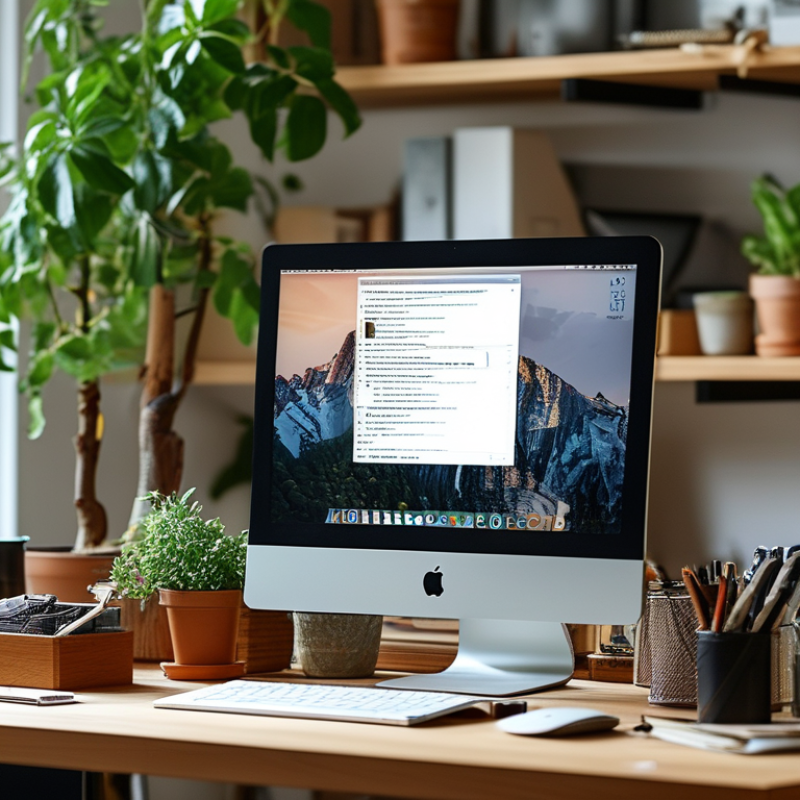
Creating a functional workspace layout is key to improving accessibility and efficiency. A well-designed layout considers the flow of movement and minimizes obstacles. Start by placing frequently used items within arm's reach. This reduces unnecessary movements that can waste time and energy. Arrange your desk to allow for easy access to tools, files, and technology. Ideally, keep it clutter-free to enhance focus.
Lighting plays a crucial role in workspace design. Natural light can boost mood and productivity. Position your desk near windows if possible. If not, use adjustable lamps to provide adequate illumination. Consider the ergonomics of your workspace as well. An uncomfortable chair or desk can lead to fatigue and reduced output. Ensure your seating supports proper posture.
Reflect on your layout regularly. As tasks and projects change, so should your space. Engage with team members for feedback on accessibility concerns. Small adjustments can make a significant difference in day-to-day operations. A commitment to tweaking your environment sets the stage for continuous improvement.
Workspace Efficiency Analysis
Establishing Routine and Discipline for Sustained Productivity
Establishing routine and discipline is essential for sustained productivity. Research indicates that consistent work patterns can boost efficiency by up to 30%. A recent study showed that teams with defined routines report higher satisfaction and lower stress levels. Encouraging specific work hours can help synchronize efforts and increase collaboration.
Creating a personalized daily schedule is crucial. Break tasks into manageable segments. Utilize time-blocking techniques to allocate focused periods for work and short breaks. The Pomodoro Technique, for instance, suggests 25 minutes of focused work followed by a 5-minute break. This cycle helps maintain energy and concentration over time.
Even with routines, setbacks can occur. Unexpected interruptions can derail productivity. Reflecting on these challenges is key. Adjusting schedules and finding new strategies can lead to improvement. Remember, flexibility is part of discipline. Balancing structure with adaptability can ultimately enhance your workspace flow and effectiveness.