
What Are the Top 10 Collaborative Workspace Design Trends?

Collaborative workspace design is reshaping how teams meet, focus, and share ideas. The best spaces do more than look modern. They support real work, from quick conversations beside a whiteboard to quiet concentration near a window. This guide explores the top 10 trends influencing offices, studios, and hybrid workplaces today. Flexibility leads the discussion. Movable tables, writable walls, and modular seating allow teams to change a room within minutes.

Small details matter. A power outlet near every seat can prevent unnecessary interruptions. Acoustic panels can soften the noise of video calls and rolling chairs. Adjustable lighting may reduce eye strain during long working sessions. These choices reflect practical workplace experience, not decoration alone. Designers and facilities teams increasingly assess user feedback, accessibility, comfort, and measurable space performance before making decisions. Still, no design solution works everywhere. An open plan may encourage communication, yet it can overwhelm employees who need privacy. Some technology installations also become underused when training is weak.

This overview examines how thoughtful planning balances collaboration with individual needs. It considers biophilic elements, hospitality-inspired areas, inclusive layouts, smart booking systems, and sustainable materials. The evidence is not always perfect. Workplace preferences can shift quickly. However, observing how people actually use a space often reveals more than a polished rendering. Expect practical insights, realistic limitations, and design questions worth revisiting before your next renovation. The goal is not to create a fashionable office. It is to create a workplace that helps people work better.
What Are the Top 10 Collaborative Workspace Design Trends?

Hybrid Foundations: Flexible Zoning and Activity-Based Planning—Steelcase: 87% Want Choice

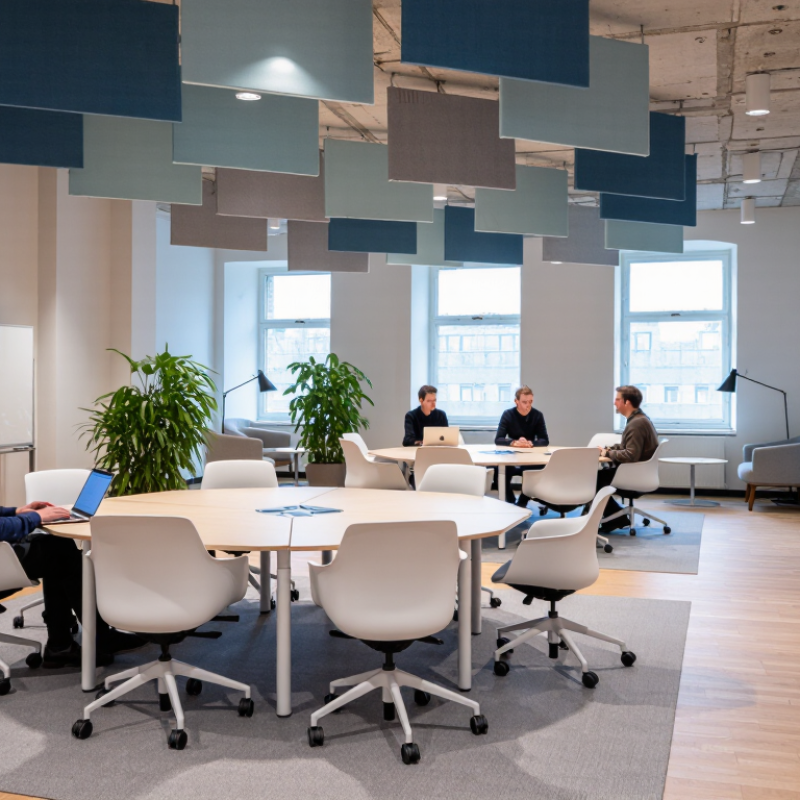
Collaborative workspace design is moving beyond rows of identical desks. Hybrid teams need flexible zoning that supports focus, conversation, and remote connection. A recent workplace survey found that 87% of employees want more choice in where and how they work. That preference changes the planning brief. Instead of assigning one desk per person, designers can create a balanced mix of settings. Quiet rooms support video calls and concentrated writing. Open tables encourage quick exchanges. Soft seating gives people a less formal place to think. The important detail is proximity. A focus room should not sit beside a noisy coffee point. Small planning errors become daily distractions.

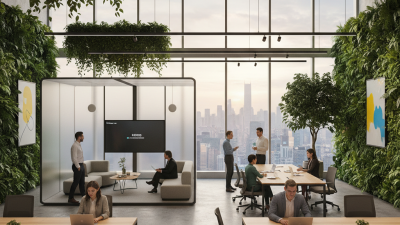
Activity-based planning makes these zones easier to use. Employees choose a setting according to the task, not their job title. A team may begin at a project table, move to a booth, and finish in a reservable room. Clear sightlines, acoustic panels, reliable power, and intuitive booking tools make that movement practical. However, flexibility is not automatically successful. Too many choices can confuse visitors and leave popular rooms unavailable. Workplace evaluations often show that simple rules work better: label spaces clearly, publish quiet hours, and measure actual use after opening. Some plans will need adjustment. A rarely used lounge may become a better workshop area. A perfect layout is unlikely on day one. Good design leaves room to learn.
Hybrid Foundations: Flexible Zoning and Activity-Based Planning

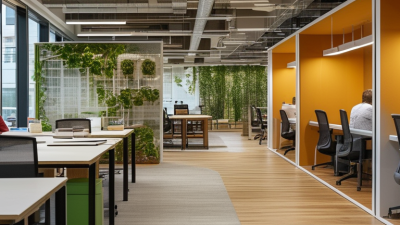
Hybrid work makes flexible zoning increasingly important: spaces can be organized for focused work, collaboration, individual offices, and informal interaction. In Gallup’s 2023 survey of U.S. employees whose jobs can be done remotely, 53% worked in a hybrid arrangement, compared with 29% who worked exclusively remotely and 18% who worked exclusively on-site.

Source: Gallup, “The Future of Hybrid Work,” 2023.

Human-Centered Performance: Acoustics, Privacy, and Focus in Shared Offices

What Are the Top 10 Collaborative Workspace Design Trends?

Human-centered offices now treat focus as a shared responsibility. Open layouts alone do not create effective collaboration. In workplace assessments, excessive background speech often causes fatigue before lunch. Acoustic planning must consider ceiling height, hard surfaces, and sound travel. Soft ceiling panels, fabric screens, and absorbent flooring can reduce disruptive echoes. Small details matter.

A strong workspace offers several levels of privacy. Phone booths support short calls, while enclosed rooms protect confidential discussions. Quiet zones should sit away from coffee machines and busy walkways. Desks need clear sightlines, but not constant exposure. Adjustable lighting also helps people manage visual strain during long tasks. These choices support concentration without isolating every employee.

Yet the approach is not perfect. Too many silent rooms can weaken informal learning and team connection. I have seen beautifully designed offices remain underused because access rules felt confusing. Clear signs, simple booking systems, and regular employee feedback are essential. Designers should review noise complaints, room usage, and focus patterns after occupancy. A space must be measured in real conditions, not only admired in renderings. Small improvements often reveal larger cultural problems.

Connected Collaboration: Smart Rooms and Equitable Hybrid Access—Microsoft: 80% Value Flexibility

Connected collaboration is reshaping workplace design. Smart rooms now combine occupancy sensors, reliable video systems, shared displays, and adjustable lighting. These features help teams move between in-person and remote work without changing rooms repeatedly. A quiet booth may support one employee, while a larger room handles a project review with several locations connected.

Flexibility appears to matter more than fixed office prestige. One widely cited workplace finding reports that 80% of employees value flexible work options. Design should reflect that preference through movable furniture, bookable spaces, and consistent digital access. A remote participant should see the same presentation, hear every speaker, and join discussions without asking for repetition. Small details matter. Camera height matters.

Equitable hybrid access requires more than installing screens. Acoustic panels can reduce background noise, while automatic captions support different hearing needs and working languages. Clear room controls also reduce dependence on technical experts. In practice, some smart-room trials fail because sensors misread occupancy or interfaces feel confusing. I have seen teams abandon advanced rooms after one unreliable meeting. That weakness deserves attention. Regular testing, user feedback, and visible technical support can make collaboration feel dependable rather than impressive only on opening day.

Wellbeing and Inclusion: Biophilia, Ergonomics, and Universal Access—WHO: 1.3B People

What Are the Top 10 Collaborative Workspace Design Trends?

Wellbeing and inclusion are reshaping collaborative workspace design. The World Health Organization estimates that 1.3 billion people experience significant disability worldwide. That figure makes universal access a practical responsibility, not a decorative feature. Wide, unobstructed routes help wheelchair users, visitors carrying equipment, and colleagues moving between meetings. Adjustable desks, supportive seating, and screen positioning can reduce strain during long work sessions. Small details matter.

Biophilic design adds daylight, natural textures, indoor plants, and quiet views of greenery. These elements may support concentration and reduce perceived stress, although plants alone cannot repair a poor workplace culture. Acoustic panels, softer lighting, and low-stimulation rooms also help employees manage sensory overload. During one workspace review, we found that a beautiful open plan created too much noise. The design looked inclusive. It was not inclusive enough.

A stronger approach combines observation, employee feedback, and accessibility testing. Door pressures, desk heights, restroom routes, and emergency pathways deserve direct checks. Digital booking systems should offer clear contrast, readable text, and alternatives for people who cannot use touchscreens easily. Flexible collaboration zones can include seated and standing options, while meeting rooms need space for mobility aids and personal assistants. Some choices will be imperfect. Regular reviews keep the space responsive.

Future-Proof Value: Modular Design and Low-Carbon Operations—UNEP: 37% of Global Emissions

What Are the Top 10 Collaborative Workspace Design Trends?

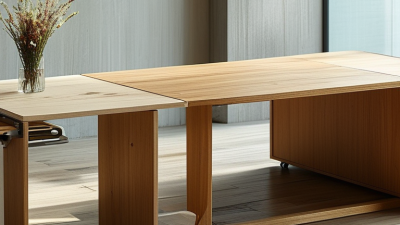
Collaborative workplaces are moving toward adaptable, lower-carbon environments. Modular planning leads this shift. Movable walls, reusable floor systems, and demountable furniture allow teams to change layouts without major demolition. That flexibility protects long-term value. It also reduces material waste when departments expand, contract, or work differently.

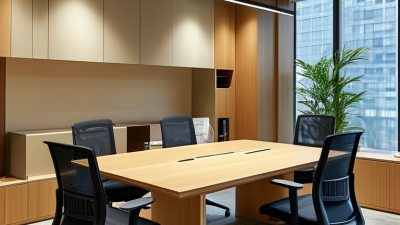
The ten strongest trends include modular interiors, hybrid meeting rooms, shared neighborhoods, acoustic zoning, biophilic details, smart lighting, circular materials, energy monitoring, inclusive access, and wellness-focused facilities. These ideas must support daily behavior, not just photographs. A meeting room needs reliable ventilation, clear sightlines, and simple technology. A shared desk needs power, comfort, and enough privacy for focused work.

UNEP has reported that buildings and construction contribute about 37% of global carbon emissions. This figure makes operational efficiency a design responsibility, not a decorative feature. Designers can specify efficient lighting, passive cooling, low-carbon materials, and real-time energy controls. They should also measure performance after occupancy. Measure first. Then adjust. The plan will not be perfect. Some modular products may carry higher upfront emissions, and reused materials can require extra labor or testing. That trade-off deserves honest review through lifecycle assessment, maintenance records, and user feedback. A workspace becomes future-proof when it can change without being discarded.