
What Are the Top Types of Communal Gathering Spaces in 2026?

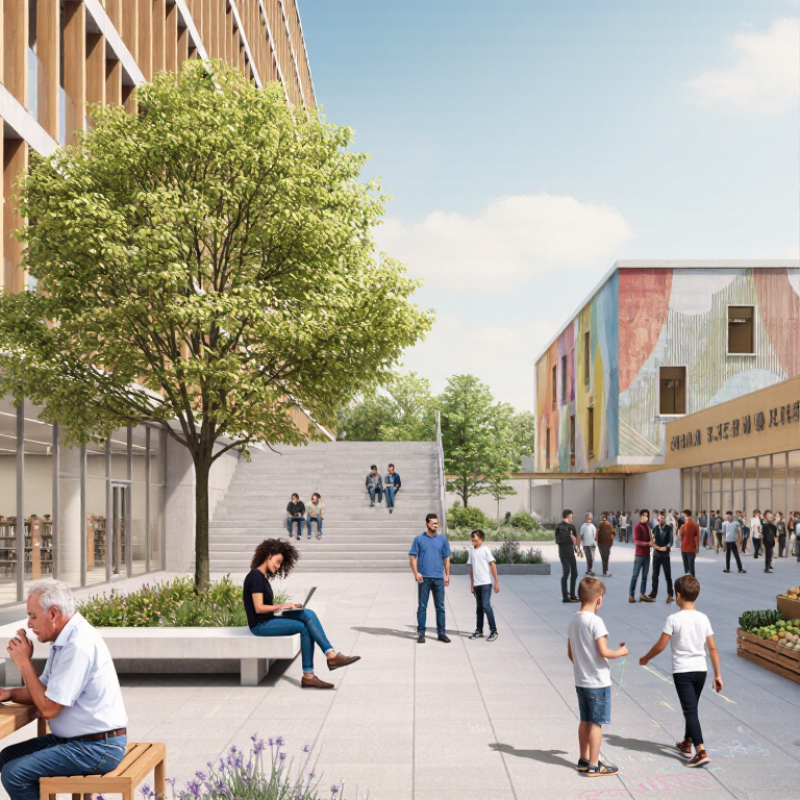
In 2026, Communal gathering spaces are judged by more than attractive design. People want places that feel welcoming, useful, and easy to reach. A shaded park bench, a library table, or a busy market square can all invite people to stay. But good intentions alone do not make a space work.

The evidence points to a real need. The World Health Organization’s 2025 Commission on Social Connection estimates that loneliness affects one in six people worldwide. The U.S. Surgeon General’s 2023 advisory links social isolation with a 29% higher risk of heart disease. These findings show why accessible places to meet matter, though they do not prove that any single design can solve loneliness. The numbers deserve care.

Fred Kent, founder of Project for Public Spaces, captured the idea: “If you plan cities for cars and traffic, you get cars and traffic. If you plan for people and places, you get people and places.” His words offer a useful test, not a universal blueprint. This guide explores parks and plazas, libraries, community hubs, coworking lounges, markets, and cultural venues. Each type supports different needs, from quiet conversation to shared events. A polished ranking can still miss the point: a beautiful space may feel unwelcoming, while a modest one becomes a neighborhood favorite. The best choices depend on who uses them, when they visit, and whether they feel they belong.
What Are the Top Types of Communal Gathering Spaces in 2026?

How Communal Gathering Spaces Are Defined and Classified in 2026

In 2026, a communal gathering space is best understood by how people use it, not just by its design. It supports shared activity, conversation, or rest, with access shaped by its owners and local rules. A library room, apartment courtyard, and neighborhood plaza may all qualify. They differ in who can enter, when they are available, and what activities they support.

Spaces can be classified by setting, access, and primary purpose. Indoor and outdoor spaces form one useful distinction. Public, shared-resident, and membership-based access offer another. Some places focus on recreation; others support meetings, meals, learning, or quiet social contact. These categories overlap. A courtyard can host a children’s play session in the afternoon and a residents’ meeting at night. That makes neat labels useful, but sometimes incomplete.

Tips: When assessing a space, check the entrance, opening hours, seating, lighting, and step-free routes. Notice whether people can stay without buying anything. A welcoming room may still feel exclusive if its signs are unclear or its chairs are hard to move. Small details matter. Classification should describe real use, not just the space’s official name.
Public Parks and Plazas: NRPA Benchmarks 10.3 Acres per 1,000 Residents

Public parks and plazas remain essential communal gathering spaces in 2026. The National Recreation and Park Association (NRPA) cites a benchmark of 10.3 park acres per 1,000 residents. This provides planners with a useful point of comparison, not a universal design rule. A neighborhood plaza may serve daily needs even when a city falls below that acreage.

Acres alone do not show whether people can reach or use a park. Trust for Public Land’s 2023 City Park Facts found that 74 percent of residents in the 100 largest U.S. cities lived within a 10-minute walk of a park. That measure adds a practical layer to NRPA’s acreage benchmark. Look at both: total parkland and nearby access. A shaded bench, safe crossing, drinking fountain, and clear path can matter more to a family than distant acreage. Small details count.

The figures also need local context. Dense neighborhoods have less land available, while larger parks may sit far from homes. A city can meet an acreage target and still leave residents without a comfortable place to gather. That gap is easy to miss. Track park access by neighborhood, and ask residents what feels welcoming—or what keeps them away. Their answers may challenge the neatness of the spreadsheet.

Public Parks and Plazas: NRPA Benchmark for 2026

Benchmark-equivalent parkland acreage at different population sizes

The NRPA benchmark cited in the headline is 10.3 acres of parkland per 1,000 residents. The larger figures shown are calculated by applying that same benchmark to populations of 10,000 and 100,000; they are equivalents, not reported local park inventories.

Public Libraries and Community Centers: IMLS Tracks 9,000+ U.S. Libraries

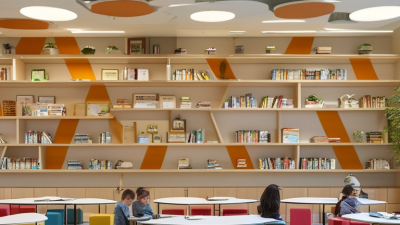
Public libraries are a major type of communal gathering space in 2026. The Institute of Museum and Library Services tracks more than 9,000 U.S. libraries, a scale that shows how widely these public institutions are distributed. Their role reaches beyond lending books. A library may offer quiet study tables, children’s story hours, computer access, or a warm place to sit on a rainy afternoon. Small details matter: a clear sign, a welcoming desk, and chairs that work for older visitors can shape whether people stay.

Community centers provide another kind of shared setting. They often host classes, neighborhood meetings, youth activities, and informal conversations under one roof. A multipurpose room can shift from a craft table to a local discussion space in minutes. Yet a count of facilities cannot show how welcoming each place feels, or whether its hours suit nearby residents. That gap deserves attention. Numbers help describe public reach, but they do not measure belonging. Even a well-funded space can feel empty if people do not see their lives reflected in its programs.

Markets and Cultural Venues: Compare Access, Programming, and Local Reach

Markets and cultural venues serve different rhythms of community life. A weekly market offers direct, low-friction access: residents can walk between produce tables, talk with growers, and stay for a short visit. The USDA’s 2020 Local Food Marketing Practices Survey counted about 147,000 farms selling food locally, with roughly $9 billion in sales. That figure covers several sales channels, not farmers’ markets alone. Still, it shows the scale of local food activity. Markets often depend on weather, transit, and vendor availability. A market can feel welcoming yet remain hard to reach without safe sidewalks or evening hours.

Cultural venues provide more scheduled programming, from exhibitions and performances to workshops and community meetings. Americans for the Arts’ Arts & Economic Prosperity 6 report estimated that nonprofit arts and culture activity generated $151.7 billion in U.S. economic activity in 2022. Its scope is substantial, but the figure does not show whether every neighborhood benefits equally. A nearby venue with affordable entry and familiar local programming can build regular attendance; a grand hall across town may not. That distinction matters. Markets excel at everyday encounters, while cultural venues can sustain deeper learning and shared stories. Neither format guarantees inclusion. Organizers still need to listen, adjust hours, and notice who never comes through the door.

What Are the Top Types of Communal Gathering Spaces in 2026? — Markets and Cultural Venues: Compare Access, Programming, and Local Reach

Space type Typical access Common programming Local reach Practical strengths and limits
Public markets Generally open to the public during market hours; many are outdoors and may operate seasonally or on selected days. Stalls for produce, prepared food, crafts, and other goods; some host demonstrations, performances, or seasonal events. Often draws nearby residents, growers, makers, and visitors to a shared commercial district. Supports direct exchange and local vendors. Weather, limited operating days, and the cost of some goods can affect participation.
Farmers’ markets Typically open at set times, often weekly; availability and season length vary by climate and local organization. Farm products and food sales, with occasional cooking demonstrations, music, or activities for families. Connects local or regional food producers with residents and can make a recurring neighborhood meeting point. Offers a direct route to seasonal food producers. Limited hours, transport options, and seasonal supply can constrain access.
Food halls and shared dining markets Usually open during posted business hours; entry to common seating areas is often free, while food and drinks are purchased separately. Multiple food vendors, shared dining, and sometimes public events, tastings, or live performances. Can serve workers, residents, and visitors in dense urban or mixed-use districts. Provides indoor seating and food choices in one location. Spending expectations, noise, and peak-time crowding may limit comfort for some visitors.
Public libraries Generally free to enter during opening hours; borrowing, room use, and some services may require registration or follow local rules. Reading groups, classes, talks, children’s activities, study support, and access to information and digital resources. Often serves a broad local population, including students, families, job seekers, and people seeking quiet public space. Typically offers low-cost, year-round indoor access. Opening hours, room capacity, and available programs depend on local resources.
Community cultural centers Access varies by venue and event; some activities are free, while classes or performances may require registration or payment. Arts workshops, cultural celebrations, classes, exhibitions, performances, and community meetings. Can provide a locally rooted setting for cultural expression, intergenerational activities, and neighborhood partnerships. Programming can reflect community interests and traditions. Reach depends on location, outreach, affordability, and program capacity.
Museums and galleries Admission policies differ: some offer free entry or free-access days, while others charge; event access may be ticketed. Exhibitions, guided tours, talks, workshops, school programs, and public cultural events. Can attract local audiences, schools, researchers, and visitors, with reach shaped by the collection and location. Offers structured learning and cultural experiences. Admission costs, travel distance, and event schedules may create barriers.
Civic plazas and public squares Usually open public space; organized events may involve permits, scheduled hours, or temporary access controls. Public gatherings, ceremonies, demonstrations, markets, outdoor performances, and informal social use. Can bring together people moving through a town center or civic district and provide a visible venue for public life. Often has no admission fee and supports flexible use. Weather, seating, shade, safety, and nearby facilities affect usability.
Community arts centers Public events may be open to all, while classes, rehearsals, or room bookings may require fees or advance registration. Arts instruction, rehearsals, exhibitions, performances, maker activities, and workshops led by artists or community groups. Often serves participants and audiences from nearby neighborhoods, including local artists and youth groups. Supports hands-on participation and creative skills. Equipment, staffing, fees, and available space influence who can take part.

Note: These are typical characteristics, not guarantees. Access rules, opening hours, fees, programming, and community reach vary by location and operator.

Coworking Hubs and Hybrid Spaces: Evaluate Shared Use and Flexibility

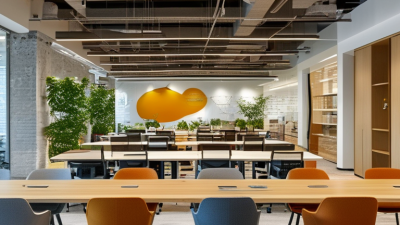
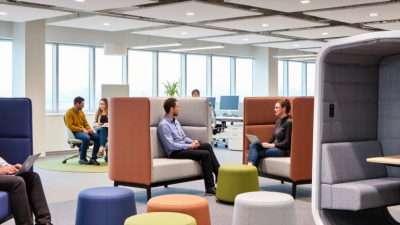
Coworking hubs work best when they offer choice, not just desks. A quiet booth, a bookable meeting room, and a shared kitchen serve different needs within one visit. Gensler’s 2024 Global Workplace Survey gathered responses from more than 16,000 workers across 15 countries. Its scale is useful, but broad averages cannot tell a local operator how many phone booths a floor needs.

Hybrid spaces should make shared use easy to understand. Clear booking rules, visible room availability, and movable furniture help teams adapt without disrupting others. CBRE’s 2024 Americas Office Occupier Sentiment Survey collected input from corporate real estate decision-makers. Such reports help track changing workplace priorities, yet occupancy targets alone do not prove that a space feels welcoming or works well day to day.

Look for evidence in the small routines: Are tables free at lunchtime? Can two colleagues find a private corner for a call? Are power outlets near the seats people actually choose? Small details matter. Flexible layouts can also feel unsettled when furniture shifts too often or storage is scarce. That trade-off deserves honest testing, not just a polished floor plan. A short pilot with varied users can reveal awkward bottlenecks before they become permanent.