2026 Best Hospitality Furniture Design for Global Buyers
In 2026, Hospitality furniture design is moving beyond attractive lobbies and matching room sets. Global buyers now assess comfort, durability, maintenance, and cultural fit before approving a collection. A walnut reception desk may look impressive, yet its edge treatment, cable access, and cleaning resistance decide its daily value. The same applies to lounge seating, guestroom beds, restaurant tables, and outdoor pieces exposed to heat or rain. This guide examines practical design choices through the eyes of hotel owners, procurement teams, designers, and manufacturers. Real projects rarely follow a perfect brief. Budgets shift. Shipping dates slip. Preferences change.
Reliable decisions begin with evidence. Buyers should request material specifications, load testing, finish samples, warranty terms, and documented production capabilities. They should also check whether a supplier can maintain consistent dimensions across repeat orders. Hospitality furniture design must serve people who use furniture intensely, often every day and across multiple climates. Rounded corners, replaceable upholstery, stable joinery, and easy-clean surfaces can improve guest experience and operating efficiency. Sustainability deserves equal scrutiny; vague green claims are not enough. Ask about recycled content, wood sourcing, packaging, repair options, and end-of-life planning. However, no single material suits every property. A beautiful low-impact finish may fail beside a pool. A durable laminate may feel less distinctive in a luxury suite. That tension deserves honest evaluation. The following sections compare 2026 trends, materials, customization strategies, supplier checks, and buying risks, helping global purchasers choose furniture that performs beyond the showroom.
Hospitality Furniture Design Trends Shaping Global Markets in 2026
Hospitality furniture in 2026 will respond to faster, more experience-driven travel markets. UN Tourism’s World Tourism Barometer reported 1.4 billion international arrivals in 2024, reaching 99% of 2019 levels. This recovery increases demand for adaptable guestrooms, compact lounges, and durable public seating. Designers are combining warm timber tones, rounded edges, and movable pieces. Small details matter. A bedside shelf with charging access can improve a guest’s entire stay.
Wellness will influence furniture beyond spas. The Global Wellness Institute’s 2024 Wellness Economy Monitor reported a 6.3-trillion-dollar market in 2023. It projects nearly 9 trillion dollars by 2028. Hotels are responding with quieter seating, tactile fabrics, softer lighting, and furniture that supports privacy. Natural textures may reduce visual stress. However, “biophilic” design can become decorative rather than meaningful when plants lack proper daylight or maintenance.
Low-impact sourcing will also shape global purchasing decisions. UNEP’s 2024 Global Status Report says buildings and construction created 37% of global energy and process-related carbon emissions in 2022. Buyers will examine furniture lifecycles, repairability, recycled content, and shipping volume. Modular headboards and replaceable upholstery can extend service life. Yet recycled materials are not automatically sustainable. Their transport, adhesives, and maintenance still require careful assessment. Regional craftsmanship may lower shipping impacts, but quality control can vary between suppliers. Trend-led choices need testing in real hotel environments.
Essential Furniture Categories for Hotels, Resorts, and Commercial Spaces
2026 Best Hospitality Furniture Design for Global Buyers
Essential Furniture Categories for Hotels, Resorts, and Commercial Spaces
Hospitality furniture begins with guest rooms. Durable beds, bedside tables, wardrobes, desks, and luggage benches support daily routines. Choose moisture-resistant surfaces and sturdy hardware for frequent cleaning. A comfortable lounge chair can improve long stays, especially near a window or reading lamp. Details matter.
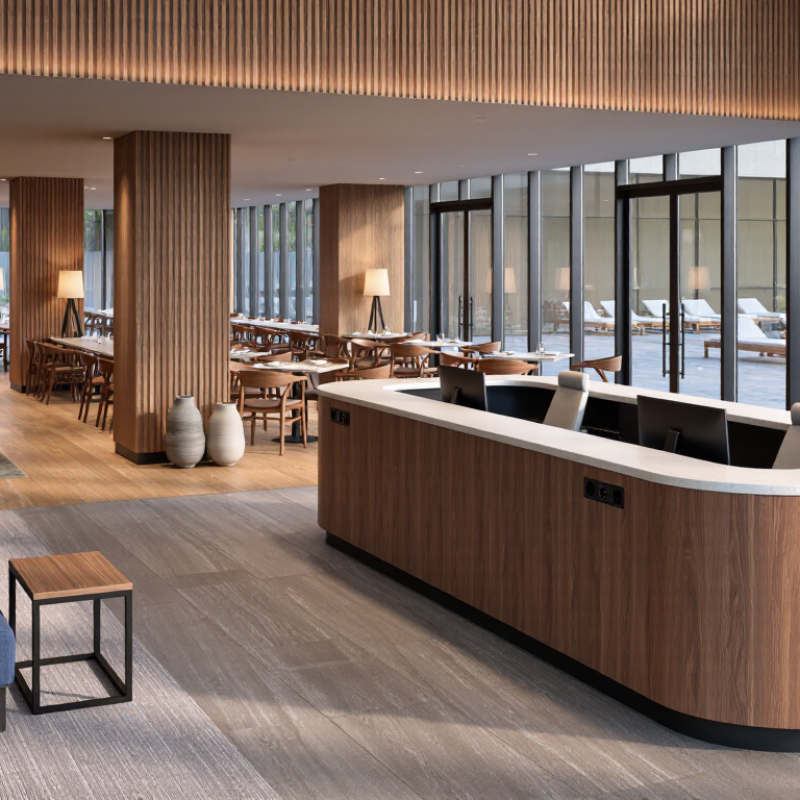
Public areas require different solutions. Lobby sofas, reception counters, coffee tables, and occasional chairs should guide movement without blocking entrances. Dining spaces need commercial-grade tables, stackable chairs, and easy-clean finishes. Banquet furniture should remain light enough for trained staff to move safely. Keep it practical.
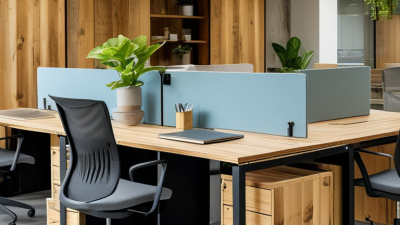
Outdoor resorts need weather-resistant seating, loungers, side tables, and shaded dining furniture. Poolside materials must tolerate humidity, sunscreen, and repeated washing. For offices, conference rooms, and mixed-use spaces, consider modular desks, ergonomic chairs, acoustic screens, and storage units. Verify dimensions against elevators, corridors, fire exits, and local accessibility requirements.
Experienced buyers also review repair access, replacement parts, lead times, and installation drawings. A low purchase price can become expensive after repeated repairs. Sustainability claims deserve evidence, including material records and responsible sourcing documents. A perfect furniture schedule rarely survives construction changes. That is normal, but it deserves planning. Some designs still look attractive on paper and feel uncomfortable in use, so sample testing remains essential.
2026 Best Hospitality Furniture Design for Global Buyers
Essential Furniture Categories for Hotels, Resorts, and Commercial Spaces
This planning benchmark illustrates a balanced furniture procurement mix for hospitality projects. Guestroom casegoods and seating typically receive the largest allocation because they directly affect room functionality, guest comfort, durability, and visual consistency. Public-area seating, outdoor furniture, and flexible commercial pieces support circulation, social spaces, and multi-purpose use.
Key Purchasing Criteria for International Hospitality Furniture Projects
2026 Best Hospitality Furniture Design for Global Buyers
Key Purchasing Criteria for International Hospitality Furniture Projects
International hospitality furniture projects demand more than attractive silhouettes. Purchasing teams must test performance, compliance, delivery risk, and long-term operating cost before approving specifications.
Demand remains substantial. UN Tourism’s January 2025 World Tourism Barometer reported roughly 1.4 billion international tourist arrivals in 2024, nearly matching 2019 levels. This recovery increases renovation pressure, but volume can encourage careless standardization. Furniture should match local climate, room density, cleaning routines, and guest expectations. A coastal resort needs corrosion-resistant hardware, while an urban hotel may prioritize compact storage and impact resistance.
Material choices deserve documented evidence. The 2024 Global Status Report for Buildings and Construction states that buildings consume 32% of global energy and produce 34% of energy-related emissions. Buyers should request recycled content, responsibly sourced timber evidence, low-emission finishes, and product-level environmental data. Ask for test reports, fire ratings, load capacities, and cleaning compatibility. Avoid vague sustainability claims.
Lifecycle cost matters more than the invoice.
A low purchase price still feels persuasive. It can be a false economy. Specify replaceable panels, standardized fittings, repair access, and spare-part availability. Confirm packaging dimensions, container utilization, installation instructions, and realistic lead times. International projects also need clear warranty procedures and local compliance reviews. Even experienced teams miss small details, especially when drawings change late. A pilot room can expose weak joints, noisy drawers, or difficult cleaning areas before full production.