
How to Choose Contemporary Library Furniture?

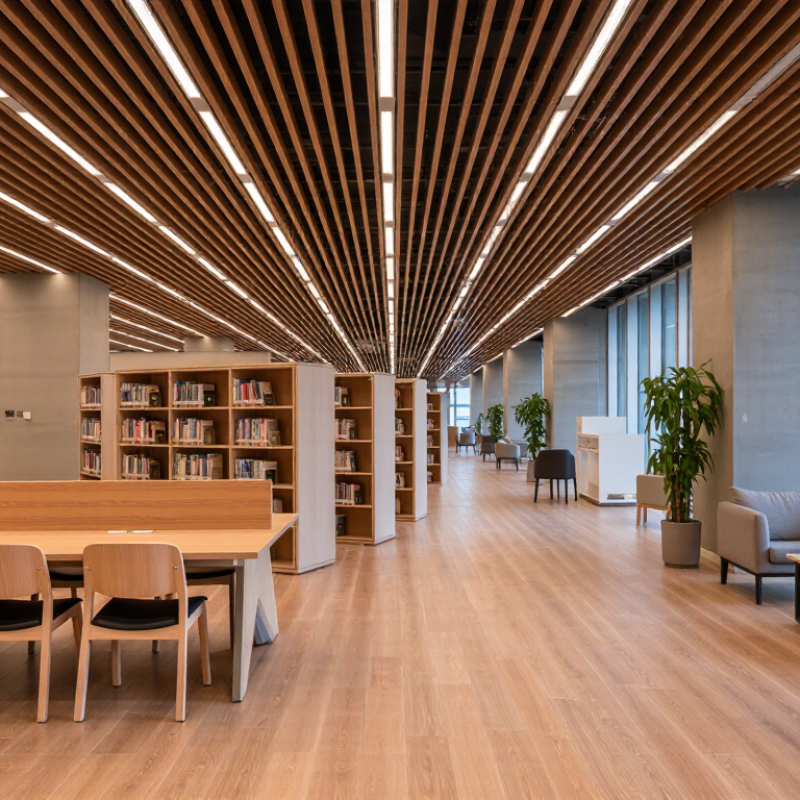
Choosing Contemporary library furniture is not a styling exercise alone. It is a practical decision about how people read, study, meet, and move through a shared space. A low table beside a window may invite quiet work, while a sturdy group table can support tutoring and collaboration. Comfort matters, but so do clear walkways, durable finishes, and layouts that staff can adjust without a major renovation. Small details count. A chair that scrapes loudly across the floor can change the feel of a quiet reading area.

Architect Frank Lloyd Wright wrote, “The space within becomes the reality of the building.” His words are not about furniture specifically, but they offer a useful design principle: evaluate each piece by how it shapes the room and the experience within it. This guide considers function, flexibility, materials, accessibility, and visual balance when selecting furniture for contemporary libraries. It also looks at how to match furniture to different zones, from focused study corners to welcoming social areas. There is no single layout that works everywhere. Needs change, and even a thoughtful plan may miss something at first. That is worth admitting. Careful observation, staff feedback, and realistic maintenance planning can help refine choices over time. The goal is a library that feels current without sacrificing comfort, usability, or long-term value.
How to Choose Contemporary Library Furniture?

Assessing the Library’s Users and Functional Needs

Choosing contemporary library furniture starts with watching how people actually use the space. Start with observation. Note where students pause, where older visitors ask for help, and which tables remain empty during busy hours. A quiet corner may need comfortable seating, while a group study area needs sturdy tables and accessible power. That matters.

Ask staff about daily routines, too. Do carts block narrow aisles? Do visitors carry laptops, books, or both? Measure clear paths before ordering furniture, and check that chairs can move without disrupting nearby readers. A floor plan can look spacious on paper yet feel cramped once backpacks and mobility devices are in the room. It is easy to overlook that.

Needs change by time of day. Children may need low shelves and wipeable surfaces; evening students may need focused lighting and longer work sessions. Provide a mix of seating heights and table types, but avoid filling every corner. Empty space can support circulation or future changes. Not every seat. Gather feedback after installation, then adjust what is not working. The first layout may be imperfect, and that is useful information.
Measuring the Space and Planning Furniture Layout

Before choosing contemporary library furniture, measure the room as visitors experience it, not just from wall to wall. Note columns, radiators, power outlets, door swings, and low shelves. Measure clear walking routes with doors open. The U.S. Access Board’s 2010 ADA Standards specify a 36-inch minimum accessible route and a 60-inch turning space in relevant layouts. Treat these as planning benchmarks, then confirm applicable local requirements. A tape measure and a simple floor sketch help expose awkward pinch points.

Map fixed elements before placing tables, lounge chairs, or shelving. Leave room for a chair to pull back without blocking a passing reader. Mark furniture footprints with paper or painter’s tape, then walk the route with a loaded book cart. ANSI/BIFMA’s X5.5 desk-products standard addresses furniture safety and performance; it does not replace a room-level clearance plan. That distinction matters. I still find it easy to focus on attractive pieces and overlook the space between them. Try a quiet reading area near natural light, but check glare on screens at different times of day. Test the layout during busy periods, too. A plan can look perfect on paper. Real traffic is messier.

Selecting Furniture Types for Different Library Activities

Contemporary library furniture should support the activities people actually do, not just complete a floor plan. For quiet reading, choose supportive chairs with arms and a nearby side table. Leave enough room to stand without disturbing a neighbor. Study desks need stable surfaces, useful task lighting, and outlets within reach. A chair that feels comfortable for ten minutes may not work for a longer session. Test seating in person when possible.

Tips: Map noisy and quiet areas before ordering furniture. Keep aisles clear, and check that chairs can move without blocking accessible routes. Small details matter. Test it first.

For group work, use tables that can be rearranged, paired with chairs that are easy to move but stable when occupied. Soft seating can make informal conversations more inviting, though it may be less suitable for focused study. Children’s areas benefit from low shelves and appropriately sized tables, so materials stay visible and reachable. It is easy to overestimate how many seats a room can hold. Leave some open space for bags, mobility devices, and changing needs.

How to Choose Contemporary Library Furniture? — Selecting Furniture Types for Different Library Activities
Library Activity Furniture Type Useful Configuration Key Selection Considerations Typical Capacity or Size
Quiet individual study Study carrels or individual desks Place desks in low-traffic areas, with clear circulation paths between rows. Choose stable work surfaces, comfortable seating, accessible power where needed, and modest visual screening without blocking sightlines. One person per desk; a work surface around 24–30 in. (61–76 cm) deep is common.
Collaborative group work Shared tables with movable chairs Arrange tables in small clusters and leave space for chairs to be pulled out. Prioritize durable, easy-to-clean surfaces and flexible layouts. Place group zones away from quiet study areas to help manage noise. Typically 4–6 people per table, depending on table length and local accessibility clearances.
Reading and informal browsing Lounge chairs, sofas, and occasional tables Create small seating groups near collections or windows while keeping aisles unobstructed. Select supportive seating with cleanable upholstery and a range of seat heights. Include nearby tables for books and personal items. Small groups of 2–4 seats work well for informal conversation or individual reading.
Children’s reading and play Child-sized tables, chairs, and soft seating Use clearly defined activity areas with open sightlines for caregivers and staff. Choose stable, appropriately scaled furniture with rounded edges and durable, easy-to-clean finishes. Provide a mix of seating and floor-level options. Match chair and table heights to the age range; provide several seating choices rather than a single fixed arrangement.
Computer and device use Computer desks or technology tables Position equipment near power and data access, with cable routes secured and out of walking paths. Allow adequate legroom and screen placement. Consider adjustable chairs, accessible workstations, and space for keyboards or personal devices. Plan one workstation per user; desk depth should accommodate the display, input devices, and working posture.
Classes, workshops, and events Folding or nesting tables with stackable chairs Use a layout that can shift between classroom, discussion, and open-floor arrangements. Choose furniture that is manageable to move and store. Check that table and chair arrangements preserve accessible routes and safe exits. Capacity depends on room size and layout; confirm clearances and occupant limits for the space.
Service points and staff work Service desks and ergonomic task chairs Locate desks where staff can assist visitors and maintain clear visibility of public areas. Consider seated and standing service positions, secure storage, accessible counter sections, and adjustable seating for staff comfort. Size the desk for the number of staff and equipment; include a clear accessible service approach.

Evaluating Materials, Comfort, Accessibility, and Durability

Choosing contemporary library furniture starts with how materials will behave under daily use. A laminate tabletop resists many scratches and wipes clean quickly, while solid wood can be refinished but may show dents. Powder-coated steel frames are sturdy, though chipped edges need attention. Ask about replacement parts, repair methods, and cleaning instructions before ordering. A polished sample can look different after months of use.

Comfort needs testing, not guesswork. Seat depth, back support, and table height affect readers of different ages and body sizes. If possible, place a sample chair in the actual room and sit in it for a while. Small details matter. A hard edge can feel uncomfortable during a long study session, even if the chair looks inviting. Upholstery should feel pleasant but also tolerate frequent cleaning.

Accessibility and durability work together. Keep routes between shelves and tables clear, and check whether furniture allows wheelchair users to approach and use shared surfaces. Confirm measurements against applicable accessibility guidance for the project. Look closely at joints, casters, and table edges; these often reveal how well a piece may handle repeated movement. No checklist catches every mismatch. A chair that suits one quiet reading room may not work near a busy entrance, so observe traffic patterns before finalizing the layout.

How to Choose Contemporary Library Furniture

Accessible dimensions provide a practical starting point for evaluating furniture layouts. The chart shows selected minimum or maximum measurements from the 2010 ADA Standards; it focuses on accessibility rather than material or comfort ratings.

Source: 2010 ADA Standards for Accessible Design, Sections 304, 306, 403, and 902. Confirm applicable local requirements when planning a library.

Comparing Costs and Planning Long-Term Maintenance

How to Choose Contemporary Library Furniture?

Comparing Costs and Planning Long-Term Maintenance

A low purchase price can hide costly upkeep. Compare total cost over the furniture’s expected service life: purchase, delivery, cleaning, repairs, replacement parts, and disposal. In a busy library, inspect exposed edges, seat seams, and chair casters; these often show wear before the frame does. Ask suppliers for cleaning instructions and replacement-part availability, then price common repairs before ordering. A spreadsheet helps, though estimates can still miss.

Waste matters, too. The U.S. Environmental Protection Agency’s 2018 Advancing Sustainable Materials Management report estimated that 12.1 million tons of furniture and furnishings entered the U.S. waste stream; about 9.5 million tons were landfilled. That figure is a useful reminder to assess repairability, not just appearance. Choose modular pieces where practical, and check whether covers, glides, or hardware can be replaced without discarding the whole item.

Tips: Track cleaning time and repair requests for one month before setting a budget. Compare that workload with a small furniture sample under real library use. Check the underside of tables, too. It is easy to overlook. A durable finish may still need care, and maintenance schedules should reflect actual traffic, not optimistic assumptions.