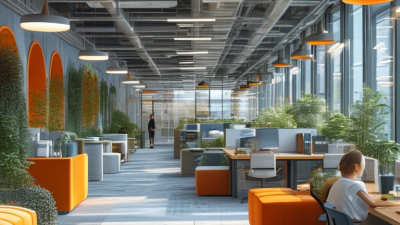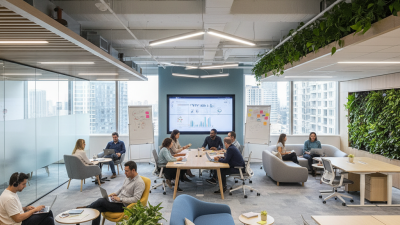

In the competitive world of the hospitality industry, the importance of hospitality furniture design cannot be overstated. Quality furniture not only enhances the aesthetic appeal of a hotel or restaurant, but it also plays a vital role in creating a welcoming atmosphere for guests. Think about it: comfortable seating can encourage longer visits, while the right table shapes can optimize space.
However, getting it right is challenging. Many businesses overlook the functionality of furniture. For instance, a beautifully designed chair might not be practical for everyday use. It's essential to strike a balance between aesthetics and comfort. Thus, understanding the principles of hospitality furniture design becomes crucial.
Moreover, furniture quality can reflect a brand’s identity. A modern boutique hotel should not use heavy, traditional furnishings. It might not resonate with its target audience. Guests notice these details, and they can significantly impact their experience. In an ever-evolving market, successful hospitality furniture design requires careful consideration and continuous improvement.
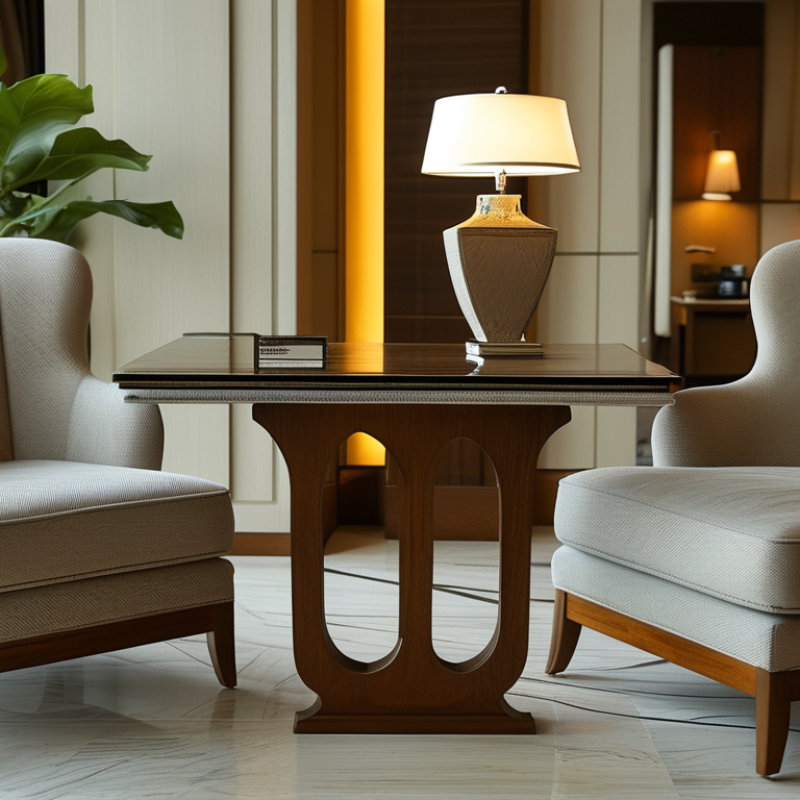
Aesthetic appeal plays a crucial role in hospitality furniture design. The visual elements of furniture can create a lasting impression on guests. When someone enters a hotel lobby or restaurant, the furniture speaks volumes about the brand. Stylish and well-designed pieces can enhance the overall atmosphere, making the space inviting.
Moreover, the right design fosters positive experiences. Chairs and tables that are comfortable and aesthetically pleasing encourage guests to linger longer. This can lead to increased sales in restaurants or higher rates of return in hotels. It's essential to consider color schemes, textures, and styles that resonate with the brand's identity.
However, achieving the perfect balance is challenging. Designers must reflect on how furniture impacts mood and function. A beautiful piece may not serve its purpose well. Overly trendy designs can feel out of place in a timeless setting. Continuous evaluation and adaptation in design choices are necessary for long-term success in the hospitality industry.
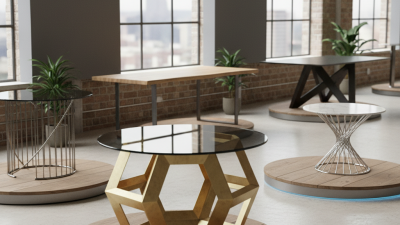
In hospitality spaces, the design of furniture can significantly enhance the customer experience. Ergonomics plays a vital role in this context. Well-designed furniture provides comfort and support. This affects guests' feelings and their overall satisfaction. Comfortable seating encourages longer stays, which often leads to increased spending. A thoughtfully designed chair can make a meal more enjoyable.
Furthermore, poorly designed furniture can frustrate customers. Guests may feel uneasy if seats are too low or hard, disrupting their experience. A cozy, inviting atmosphere invites guests to relax. This fosters loyalty, as customers prefer businesses that prioritize their comfort. Attention to ergonomic principles can transform a simple dining area into a welcoming retreat.
However, striking the right balance is challenging. Some businesses may prioritize aesthetics over function. A visually stunning piece might not be comfortable. Regular feedback is essential. Listening to customers helps refine design choices. Innovation is crucial, but it should never compromise comfort. Thoughtful reflections on customer experiences lead to better design decisions. This balance ultimately drives business success.
Durability in hospitality furniture is a crucial concern for any business. A report from the American Hotel & Lodging Association highlights that furniture attracts nearly 30% of operational costs in hotels. Selecting durable materials can significantly reduce these expenses over time. Durable furniture withstands heavy use, reducing the need for frequent replacements. This not only saves money but also enhances guest satisfaction.
Maintenance plays a pivotal role in long-term cost efficiency. According to the International Furniture Market Research, regular maintenance can extend the lifecycle of furniture by up to 50%. Simple actions like cleaning and timely repairs contribute to longevity. However, many businesses overlook these practices, which can lead to higher costs down the line. Investing in quality materials initially may seem expensive, but it reduces the need for ongoing maintenance and replacement.
Not all furniture will meet the demands of a bustling environment. Many businesses find themselves replacing items sooner than anticipated. Choosing the right design can also influence upkeep. For instance, intricate designs may hide dirt but can be harder to clean. The balance between aesthetics and practicality is vital. Finding furniture that combines both aspects can elevate a venue’s appeal while keeping costs manageable.
Sustainable materials continue to shape the landscape of hospitality furniture design. As environmental concerns grow, many businesses seek to innovate. A report by the American Institute of Architects shows that 78% of consumers prefer products made from sustainable materials. This statistic highlights a shift in consumer behavior. It highlights the importance of making eco-friendly choices.
Choosing materials like bamboo, reclaimed wood, and recycled metals can reduce a business's carbon footprint. Bamboo, for instance, is a fast-growing grass that absorbs more carbon dioxide than trees. Reclaimed wood tells a story of recycling and has unique character. These materials not only appeal aesthetically but also resonate with eco-conscious guests.
However, the path to sustainability isn't without challenges. Sourcing reliable suppliers can be difficult. Also, ensuring that materials meet durability standards can pose issues. A balance must be struck between sustainability and quality. Businesses must reflect on their choices and adapt to a changing market. Embracing sustainable practices isn’t just beneficial; it’s essential for long-term success.
Interior design choices significantly impact guest satisfaction in the hospitality industry. Research shows that well-designed spaces can enhance the overall experience for visitors. For instance, a cozy and inviting lobby can make a lasting first impression. It sets the tone for the entire stay. Guests often remember the ambiance long after they leave.
Statistics reveal a strong correlation between design elements and guest preferences. According to surveys, nearly 70% of guests prioritize aesthetics when selecting accommodations. They appreciate comfortable seating and appealing color schemes. Unusual choices may lead to mixed reviews. A bold, modern design might attract some guests while deterring others. It's essential to find the right balance that caters to diverse tastes.
Many hospitality businesses overlook the importance of functionality in design. Practical layouts can improve the flow of movement and provide a better experience. For example, spacious dining areas encourage social interaction among guests. Moreover, thoughtful lighting can create a warm atmosphere, influencing mood and satisfaction. However, neglecting practical aspects may lead to frustration, such as cramped spaces or inadequate amenities. Thus, blending aesthetic appeal with practical functionality is crucial for success.
| Aspect of Design | Guest Satisfaction (%) | Impact on Return Visits (%) | Average Spend per Guest ($) |
|---|---|---|---|
| Comfortable Seating | 85 | 70 | 75 |
| Aesthetic Design | 90 | 65 | 80 |
| Functional Layout | 88 | 75 | 82 |
| Use of Color | 80 | 60 | 78 |
| Sustainable Materials | 82 | 68 | 76 |