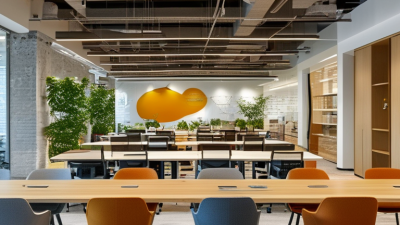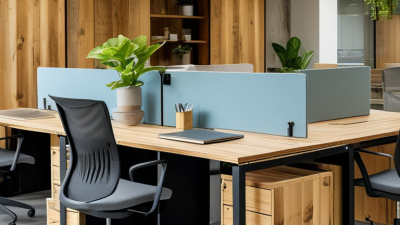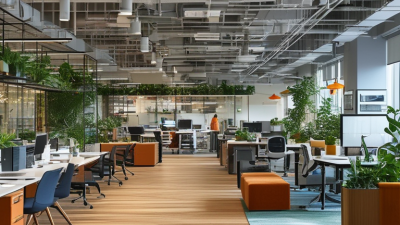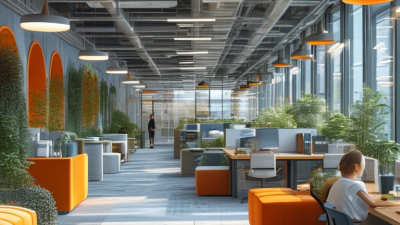

Industrial furniture aesthetics remain popular because they make function visible. Steel frames, exposed bolts, reclaimed timber, and worn leather give furniture a direct, honest character. A factory-style table does not hide its structure. You can often see how it was built, repaired, and finished.
Dieter Rams, a leading industrial designer, offered a useful principle: “Good design is as little design as possible.” His statement helps explain the appeal of industrial furniture aesthetics. Clean lines and practical forms reduce visual noise, while rough textures prevent a room from feeling sterile. A black metal lamp beside a scratched oak desk can create contrast without excessive decoration. These pieces also adapt well to offices, cafés, studios, and modern homes.
The appeal is not only visual.
Many buyers value durability and easy maintenance. Powder-coated steel resists daily wear, while solid wood can gain character through small marks. This creates a sense of ownership over time. However, the popularity of industrial style is not entirely logical. Some products imitate age with artificial scratches, making “authenticity” feel manufactured. That contradiction deserves attention.
Industrial furniture can also appear cold, heavy, or repetitive when every surface uses metal and gray tones. Good interiors need balance. Warm lighting, woven fabrics, plants, and softer colors can make the room more livable. The strongest designs do not simply copy a warehouse. They translate industrial principles into practical, comfortable spaces. Its success may come from that tension: furniture can look unfinished, yet still feel carefully considered.
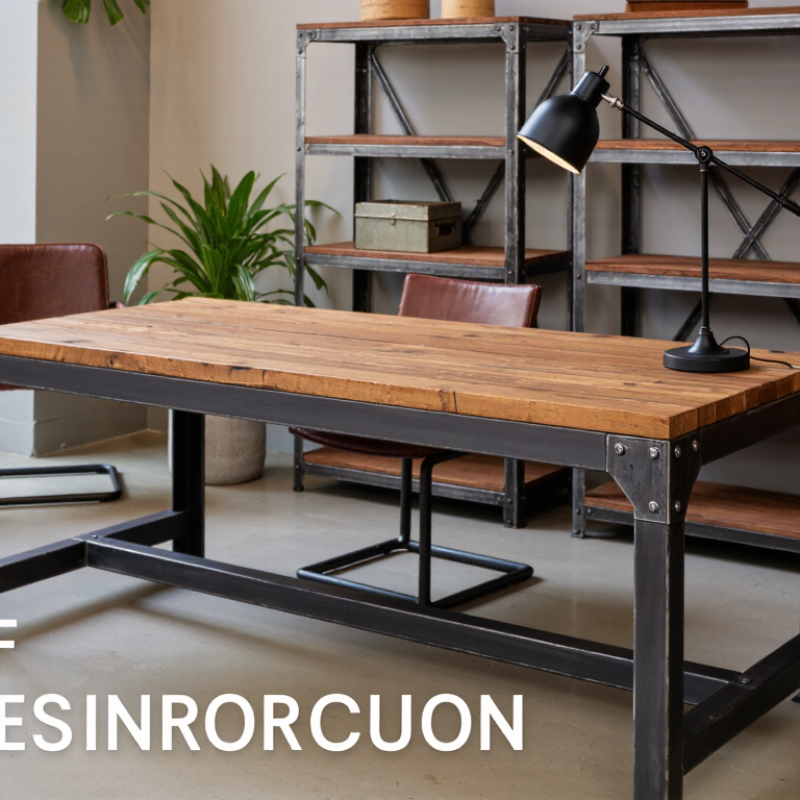
Defining industrial furniture aesthetics starts with structure, not decoration.
The look exposes steel frames, visible fasteners, aged timber, dark neutrals, and honest surface marks. It borrows visual language from factories, workshops, and converted warehouses. Grand View Research valued the global home furniture market at USD 677.09 billion in 2022, with continued growth projected through 2030. That scale matters. It suggests furniture is increasingly treated as a practical investment, not a temporary visual prop.
In practice, industrial furniture balances raw materials with comfort. A powder-coated steel base may support a thick oak top, while rounded edges soften harder geometry. The International Ergonomics Association recommends fitting furniture to users, tasks, and environments. This principle challenges a common mistake: choosing a dramatic metal chair that feels painful after ten minutes.
The U.S. Environmental Protection Agency reported 600 million tons of construction and demolition debris in 2018. Reclaimed wood may reduce material demand, but its history requires verification. Old timber can contain treatments, hidden nails, or moisture damage. Industrial is not automatically sustainable.
Tips: Check weld consistency, load ratings, seat height, and wood moisture content. Test samples under daylight. Pair one rugged piece with warmer textiles or curved forms. Leave breathing room around heavy silhouettes. I still find this style easy to overdo. Too much black steel can make a room feel unfinished rather than authentic. That imperfection is useful.
The historical roots of industrial-style furniture reach back to nineteenth-century workshops and factories. Workers needed sturdy tables, stools, cabinets, and storage units. These objects favored function over decoration. Thick timber, cast iron, visible bolts, and practical wheels became familiar details.
Factories also shaped the furniture’s visual language. Metal surfaces showed scratches, heat marks, and uneven color. Wood carried stains from oil, dust, and repeated handling. Nothing looked perfectly polished. That honesty still attracts people today. It suggests work, movement, and a useful past.
During the late twentieth century, old warehouses became homes, studios, and offices. Their high ceilings and exposed pipes encouraged furniture with similar textures. Designers began adapting workshop forms for domestic spaces. Reclaimed wood and aged metal made these pieces feel connected to local history, although that connection is not always genuine. Some modern furniture imitates damage too neatly. It may look old without carrying any real story.
From a restoration perspective, authentic character often appears through small details. Uneven screw heads, softened corners, and repaired joints can reveal long use. However, historical accuracy should not excuse poor construction. A heavy table still needs stable legs and safe finishes. Industrial style works best when material honesty meets careful craftsmanship, not when roughness becomes a costume.
Why Are Industrial Furniture Aesthetics So Popular?
Industrial furniture remains popular because its materials communicate function clearly. Steel frames, aged timber, concrete surfaces, and exposed fasteners create a workshop-like honesty. The visual language feels practical, not overly polished. Fortune Business Insights valued the global furniture market at USD 516.66 billion in 2023, showing the scale of demand surrounding furniture design. Industrial styling occupies only part of this market, but its material vocabulary is highly recognizable.
Form matters as much as material. Rectangular profiles, open shelving, cantilevered legs, and visible supports make construction easy to read. Casters and modular sections also suggest movement and flexible use. In workplace studies, Gensler’s 2024 Global Workplace Survey found that employees value choice and control over where they work. Industrial forms support that expectation through movable tables and adaptable storage. Yet heavy steel can feel cold. Designers often soften it with warm wood, woven textiles, or rounded edges.
Visual detail creates the strongest emotional response. Matte black finishes, rust-like patina, irregular grain, and small welding marks add depth under direct lighting. The effect is convincing when variation looks natural. Too much distressing can appear manufactured, which weakens the story. The Ellen MacArthur Foundation reports that extending product life can reduce material demand, making durable construction increasingly relevant. Still, reclaimed wood is not automatically sustainable; its treatment, transport, and structural condition require verification. That practical check is often missing.
Why Are Industrial Furniture Aesthetics So Popular?
Industrial furniture earns attention because it makes usefulness visible. A steel frame, exposed weld, or rolling caster explains its purpose immediately. In real workplaces, this clarity matters. Tables must support laptops, tools, samples, and sudden collaboration. Shelving must carry weight without looking delicate. Matte surfaces also hide small scratches better than polished finishes.
Functionality strengthens this appeal. Gallup’s State of the Global Workplace 2024 reports that only 23% of employees were engaged worldwide in 2023. Furniture cannot solve engagement alone. However, adaptable layouts can remove daily friction.
Gensler Research Institute’s 2024 Global Workplace Survey also connects effective workplace design with stronger individual and team performance. Modular industrial pieces support that flexibility. A workbench can become a meeting table. A cabinet can divide space. Casters allow quick changes.
Small details matter.
In practical use, cable channels, adjustable heights, and rounded edges often matter more than visual drama. Powder-coated steel improves durability, while reclaimed wood adds warmth and tactile contrast.
Yet industrial design can become uncomfortable when hardness replaces care. Rigid stools may look authentic, but they can discourage longer work. I may be overvaluing visible structure myself. A beautiful bolt is still unnecessary if it obstructs movement. Good industrial furniture should reveal its construction, but it should also respect the body using it.
Industrial furniture fits modern interiors because it adds structure without demanding visual perfection. Steel frames, aged timber, exposed fasteners, and matte finishes create contrast against glass, plaster, and soft textiles. The result feels edited, not overly decorated. This approach also suits compact apartments. Slim legs and open shelving preserve sightlines. Fortune Business Insights valued the global furniture market at approximately US$516.66 billion in 2022, with continued growth forecast through 2030. Market size does not prove taste, but it reflects sustained demand for adaptable furniture.
Material choices also matter. The 2024 Circularity Gap Report states that only 7.2% of the global economy is circular. Durable industrial pieces can respond to this problem when they use repairable joints, reclaimed timber, recycled metal, and replaceable finishes. Yet the style can feel cold. In project reviews, a black steel table often needs warmer lighting, woven fabric, or rounded seating nearby. I would not fill a room with hard surfaces. That mistake looks impressive in photographs, then tiring at home.
Tips: Pair one heavy industrial piece with softer textures. Keep timber tones consistent. Use warm bulbs around 2700K to soften metal. Leave visible floor space. Avoid matching every element; slight imbalance creates character.
| Industrial Design Dimension | Typical Material or Specification | Visual Effect | Practical Advantage | Best Modern-Interior Application |
|---|---|---|---|---|
| Exposed Metal Frames | Powder-coated steel or stainless steel; common finishes include matte black, graphite, and brushed metal. | Creates crisp lines, visual structure, and a workshop-inspired character. | Metal frames provide high rigidity and can support slim furniture profiles. | Dining tables, shelving units, desks, console tables, and open-plan living areas. |
| Reclaimed or Textured Wood | Solid wood, reclaimed wood, or wood veneer with visible grain, knots, and tonal variation. | Softens hard metal surfaces and adds warmth, contrast, and material depth. | Wood is easy to refinish, while natural variation allows minor marks to blend into the surface. | Dining surfaces, coffee tables, media units, bedside tables, and kitchen islands. |
| Neutral Color Palette | Charcoal, black, gray, brown, beige, warm white, and muted earth tones. | Produces a restrained, timeless appearance that does not compete with architectural details. | Neutral tones are adaptable and can be combined with brighter artwork or soft furnishings. | Minimalist apartments, loft-style rooms, home offices, and contemporary hospitality spaces. |
| Open and Linear Profiles | Rectangular frames, slender legs, grid shelving, and open-backed storage. | Maintains visual openness and emphasizes geometry rather than ornament. | Open construction allows light and sightlines to pass through, helping smaller rooms feel less crowded. | Compact dining rooms, studio apartments, entryways, and divided open-plan spaces. |
| Mixed Material Contrast | Metal combined with wood, glass, concrete-look surfaces, leather, or woven textiles. | Balances cool and warm, smooth and rough, or hard and soft visual qualities. | Different surfaces create functional zoning and tactile variety without excessive decoration. | Living rooms, dining areas, collaborative workspaces, and multi-purpose interiors. |
| Functional Proportions | Dining tables commonly measure about 71–76 cm in height; desks are commonly about 71–76 cm high. | Straightforward proportions reinforce the practical, purposeful character of industrial design. | Standardized dimensions support comfortable use and easier coordination with existing furniture. | Dining rooms, study areas, work-from-home zones, and flexible residential layouts. |
| Visible Construction Details | Exposed bolts, weld marks, brackets, rivet-style details, and clearly expressed joints. | Communicates authenticity, craftsmanship, and an honest approach to construction. | Clearly defined joints can make the structure easier to understand, assemble, or repair. | Feature shelving, statement tables, desks, benches, and interiors with exposed architectural elements. |
| Modular and Adaptable Forms | Stackable storage, adjustable shelving, nesting tables, movable carts, and reconfigurable seating. | Supports an uncluttered and flexible appearance suited to changing lifestyles. | Furniture can be rearranged or expanded as room functions and storage needs change. | Small homes, rental properties, home offices, creative studios, and multipurpose rooms. |
Note: Dimensions are typical residential furniture ranges. Actual measurements vary by product design, regional standards, and ergonomic requirements.