Why Are Flexible Classroom Layouts Essential for Modern Education?
In today’s educational landscape, the traditional classroom layout is quickly becoming outdated. Schools are recognizing the need for innovative spaces. Flexible classroom layouts offer the chance to cater to diverse learning styles. They promote collaboration and creativity among students. This adaptability is crucial for fostering engagement in a fast-changing world.
However, implementing these layouts can pose challenges. Teachers may struggle with the transition from conventional setups. Some educators may feel uncertain about managing flexible environments. Overcoming these hurdles requires support and training to empower staff. Ultimately, the effectiveness of flexible classroom layouts hinges on careful planning and commitment.
These modern designs also encourage community and communication within the classroom. Desks can be rearranged for group projects or discussions. Such changes can transform the learning experience for all. While flexible classroom layouts show great promise, they also need continuous reflection and improvement. Embracing both their strengths and potential pitfalls will ensure the best outcomes for students.
Importance of Adaptable Learning Environments in Education
Adaptable learning environments are crucial in modern education. Research indicates that flexible classroom layouts can enhance student engagement. A study by the Center for Responsive Schools found that 82% of educators witnessed improved collaboration among students when classroom designs were more dynamic. Creating spaces that allow for movement can lead to better academic performance.
Students thrive in environments that cater to their diverse learning styles. According to a report by the National Education Association, schools that implemented flexible layouts saw a 30% increase in student participation. Classrooms that feature movable furniture and writable surfaces encourage creativity. Such changes prompt critical thinking and collaboration. However, the transition to more flexible spaces can pose challenges. Some teachers may feel overwhelmed by new setups and teaching methods.
Moreover, not all students adapt equally well to these changes. While some may flourish, others could struggle with the lack of structure. Finding the right balance is essential. Continuous training for educators is necessary to navigate these shifts effectively. Investing in professional development will ensure that teachers are equipped to maintain a productive learning atmosphere, even when the physical space is in flux.
Benefits of Flexible Classroom Designs for Student Engagement
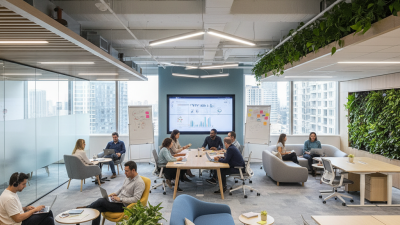
Flexible classroom designs can greatly enhance student engagement. By allowing for various seating arrangements, students can interact more freely. Groups can form organically, fostering collaboration and teamwork. This approach can ignite creativity, as students feel comfortable expressing their ideas. Clusters of desks or circles promote discussion, making learning more dynamic.
Creating different zones within a classroom serves unique needs. For instance, areas can cater to group work, quiet study, or hands-on projects. A more adaptable space invites exploration and experimentation. However, not all students thrive in this chaos. Some may struggle without structure. Balancing flexibility with some stability is crucial.
Furthermore, teacher training is vital for implementing these designs effectively. Educators must understand how to optimize space. They need to be aware of student dynamics and adapt accordingly. Regular feedback from students can also drive improvements. Not every layout will work universally; adjustments may be essential as the class evolves.
Benefits of Flexible Classroom Designs for Student Engagement
Creating Collaborative Spaces in Modern Classrooms
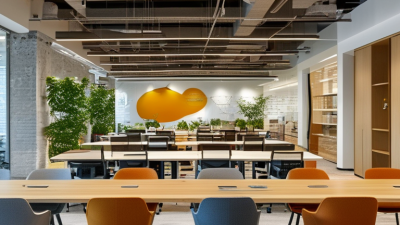
Creating collaborative spaces in modern classrooms redefines how students learn and interact. Flexible layouts allow educators to redesign their environments based on specific learning objectives. Desks can be arranged in circles for discussion or grouped for teamwork. Such configurations enhance communication among students, fostering a sense of community.
However, creating these spaces presents challenges. Teachers may struggle with managing noise levels when students work in groups. Not all students thrive in collaborative settings; some may prefer quiet, individual work. Teachers must balance group activities with solo tasks to cater to diverse learning preferences. Empirical evidence suggests that well-structured collaborative environments lead to deeper learning.
Ultimately, modern classrooms require careful planning. The objective is to help students engage meaningfully with peers. Global trends in education emphasize the need for adaptable spaces that support teamwork and creativity. While flexibility is essential, reflection on its implementation is equally important. Educators must continuously adapt their strategies to meet students' evolving needs.
Impact of Classroom Layout on Teaching Methodologies
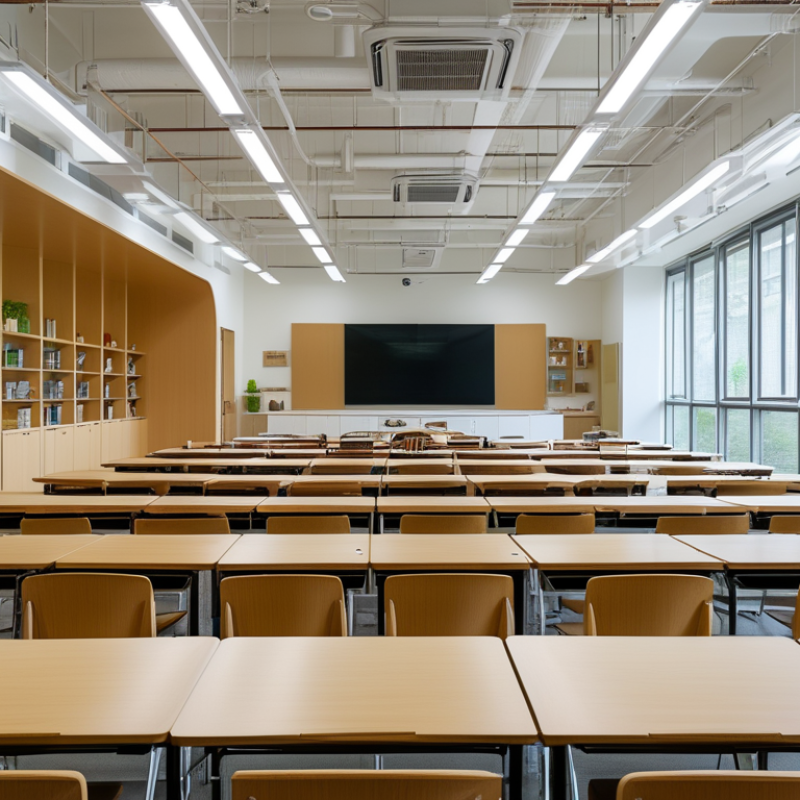
Flexible classroom layouts significantly influence teaching methodologies. Traditional desks in rows limit interaction and engagement. In contrast, open spaces with movable furniture foster collaboration among students. Teachers can adapt their approach based on the activities planned. Group projects become more manageable when furniture can be rearranged easily.
Classrooms with varied seating options create diverse learning environments. A comfortable lounge area encourages creative discussions, while designated study zones promote concentration. However, this adaptability may lead to chaos if not managed well. Some students thrive in structured settings, and the challenge lies in balancing flexibility with stability.
Effective use of space impacts student outcomes directly. Studies suggest that engaging environments boost motivation and concentration. However, teachers often face the dilemma of implementing new layouts while ensuring effective lesson delivery. Reflection on personal teaching experiences and classroom dynamics is crucial in creating the best learning spaces. Understanding the unique needs of each group can lead to more tailored approaches.
Why Are Flexible Classroom Layouts Essential for Modern Education? - Impact of Classroom Layout on Teaching Methodologies
| Dimension |
Impact on Learning |
Benefits |
Examples of Layouts |
| Group Work |
Encourages collaboration and communication among students. |
Builds teamwork skills, enhances problem-solving abilities. |
U-shaped, round tables |
| Individual Learning |
Supports personalized learning experiences. |
Caters to various learning paces and styles. |
Desks in rows, quiet zones |
| Technology Integration |
Facilitates the use of digital tools and resources. |
Enhances engagement with interactive learning. |
Tech hubs, charging stations |
| Flexibility in Space |
Allows quick rearrangements to suit different activities. |
Promotes adaptability and ongoing learning boosts. |
Movable furniture, multi-use areas |
| Learning Environments |
Creates a conducive atmosphere for various learning modalities. |
Improves overall student comfort and focus. |
Outdoor learning spaces, lounge-style seating |
Future Trends in Classroom Flexibility and Design
Classroom design is evolving rapidly. Modern learners benefit from flexible layouts that adapt to their needs. Traditional desks in rows are becoming outdated. Innovative spaces encourage collaboration and creativity. Moveable furniture allows for quick reconfigurations. Stations for group work enhance interaction among students. This adaptability supports diverse learning styles.
Future trends indicate a shift towards technology-integrated designs. Classrooms will incorporate virtual reality and smart boards. These tools will create immersive learning experiences. Adaptable spaces can also facilitate social distancing, a lesson learned from recent global events. Schools must remain alert to changes in educational needs. Flexibility will help educators respond to sudden shifts.
However, challenges remain. Not all teachers are trained to use flexible layouts effectively. This shift may create anxiety among educators accustomed to traditional methods. Ongoing professional development is crucial. Solutions must be discovered together. Schools should encourage experimentation and feedback. Reflection on practices will refine classroom environments in the future.