Top 10 Industrial Furniture Aesthetics for Global Buyers
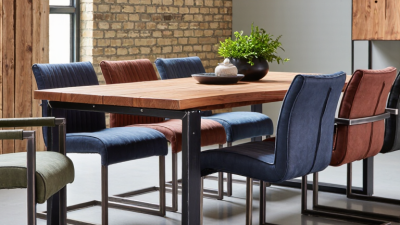
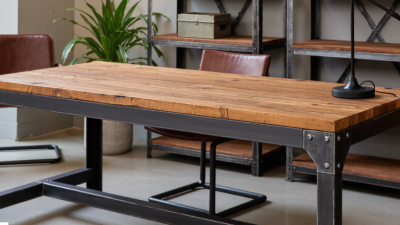
Industrial furniture aesthetics continue to influence hotels, restaurants, offices, and residential projects worldwide. Their appeal often comes from visible structure, practical materials, and a sense of honest workmanship. Exposed steel frames, reclaimed timber surfaces, leather seating, and aged finishes can create a strong visual identity without excessive decoration.
This guide introduces ten industrial furniture aesthetics for global buyers. Each style reflects different manufacturing choices, including metal thickness, wood treatment, joinery, upholstery, and surface protection. Buyers should examine more than photographs. Weld consistency, edge finishing, load capacity, packaging quality, and supplier documentation can reveal important differences. Factory samples and detailed specifications remain valuable.
Practicality matters.
Regional conditions also deserve attention. Humid climates may require sealed wood and corrosion-resistant coatings. High-traffic venues may need commercial-grade fabrics and reinforced joints. Sustainability claims should be checked through material records, certifications, and clear supply-chain information. Not every distressed finish is genuinely reclaimed, and visual imperfections do not always indicate craftsmanship. That distinction can be easy to miss.
Some categories overlap. A minimalist steel chair may also appear contemporary or rustic, depending on its finish and setting. This is where buyers need careful judgment rather than rigid labels. The following selections balance appearance, durability, maintenance, and market adaptability. They are intended to support informed decisions, while recognizing that preferences, budgets, and compliance requirements differ across regions. The best choice is rarely the most dramatic one. It is the design that performs reliably in its intended environment.
Industrial Furniture Aesthetics: Definition, Origins, and Core Characteristics
Industrial furniture aesthetics describe a design language built around structure, function, and visible material character.
Its roots reach back to the Industrial Revolution, when factories used steel, timber, cast iron, and practical construction methods. During the twentieth century, designers adapted these workshop elements for homes, offices, cafés, and retail spaces. Old warehouses helped shape the familiar loft interpretation.
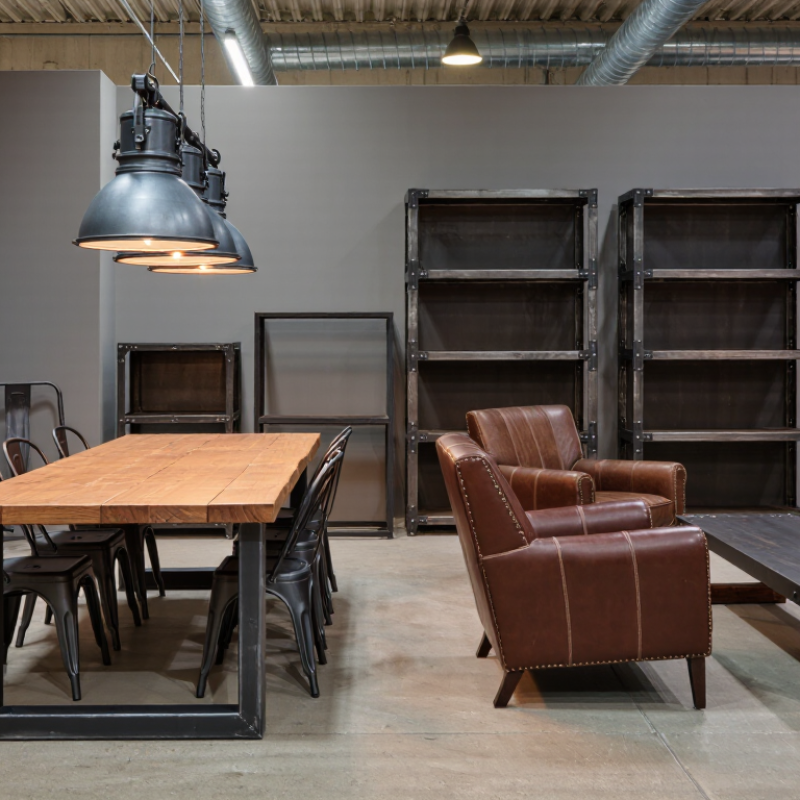
Core characteristics include exposed frames, visible fasteners, sturdy proportions, and restrained decoration.
Steel often appears in black, charcoal, or weathered finishes. Timber may show knots, saw marks, uneven edges, or a protective matte coating.
Brick, concrete, leather, and wire mesh can add useful contrast. The strongest pieces usually reveal how they carry weight or support daily use.
A professional buyer should inspect more than appearance.
Check weld quality, joint alignment, coating consistency, surface stability, and load capacity. Ask for material specifications and care instructions before placing large orders.
Regional humidity can affect timber movement and metal corrosion, so finish selection requires local knowledge. The style is not automatically authentic.
A few controlled imperfections can create warmth, but careless defects can look unfinished. Too much darkness may also make a room feel cold. The category remains flexible, and that is where careful judgment matters.
Ten Leading Industrial Furniture Styles for International Markets
Ten Leading Industrial Furniture Styles for International Markets
For global buyers, industrial furniture must balance character, durability, and practical shipping needs. Raw steel furniture offers sharp lines and strong visual weight. Reclaimed wood adds knots, grain changes, and a warmer touch. Pipe-frame designs suit cafés, offices, and compact apartments. Warehouse style uses wide surfaces, exposed hardware, and sturdy proportions. Loft furniture feels open and functional. Factory minimalism removes unnecessary decoration. Concrete-look pieces create an urban atmosphere. Vintage workshop furniture brings drawers, casters, and useful storage. Industrial farmhouse blends aged wood with dark metal. Mid-century industrial designs soften the look with tapered legs and balanced shapes.
Tips:
Check weld quality, surface protection, and load capacity before ordering. Ask for material samples. Finish colors can vary between batches. Confirm package dimensions and assembly details for overseas delivery.
Experienced buyers should also evaluate climate conditions. Humid regions need suitable coatings and corrosion-resistant fittings. Dry climates may expose wood movement or surface cracking. These details affect long-term reliability. I have found that attractive photography can hide uncomfortable edges or unstable frames. That is easy to overlook. Request close-up images and product drawings. A reliable supplier should provide clear specifications, consistent measurements, and realistic lead times. Style matters, but daily use reveals the truth. Some imperfect marks may add authenticity. Excessive defects should not.
Materials, Finishes, Forms, and Details That Define Each Aesthetic
Top 10 Industrial Furniture Aesthetics for Global Buyers
Industrial furniture aesthetics vary through materials, finishes, forms, and small construction details. 1. Raw steel uses visible welds, dark oxidation, and squared profiles. 2. Soft industrial mixes blackened metal with worn leather and rounded edges. 3. Factory minimalism favors pale powder coating, flat planes, and concealed fasteners. 4. Reclaimed workshop style highlights salvaged timber, uneven grain, and hand-sanded surfaces. 5. Concrete utility uses cast cement, matte sealants, and heavy block forms. 6. Riveted heritage adds brass or steel hardware, exposed joints, and disciplined symmetry.
For global buyers, finish performance deserves equal attention to appearance. A powder-coated frame usually offers consistent color and easier maintenance. Oil-finished wood feels warmer, but it may show fingerprints and require periodic care. Brushed metal hides minor scratches better than mirror-polished surfaces. 7. Scandinavian industrial softens structure with ash tones, tapered legs, and woven upholstery. 8. Coastal industrial combines galvanized metal, bleached wood, and open, lightweight forms. Materials should suit the destination’s humidity, temperature, and cleaning routines.
9. Sculptural industrial treats furniture as functional geometry, using curved steel, layered planes, and deliberate negative space. 10. Modular industrial depends on interchangeable panels, visible connectors, and adaptable proportions. In real projects, “perfectly distressed” surfaces can look artificial. That is worth questioning. A small tonal variation often feels more credible than repeated marks. Sample panels, edge profiles, and hardware should be reviewed under local lighting before approval. This step often prevents costly mismatches during sourcing and installation.
Regional Preferences, Cultural Contexts, and Global Buyer Expectations
Top 10 Industrial Furniture Aesthetics for Global Buyers
Industrial furniture now includes raw steel, reclaimed wood, blackened metal, concrete textures, modular frames, and workshop-inspired details. Other directions include minimalist utility, aged patina, softened industrial forms, and heritage craft references. Global buyers rarely choose these aesthetics for appearance alone. They consider climate, room size, maintenance, and cultural expectations.
In Northern Europe, buyers often prefer pale wood, restrained metal, and lighter visual weight. These choices support daylight and compact interiors. In North America, larger proportions, visible hardware, and darker finishes may suggest durability and workshop history. East Asian markets often favor precise joints, compact forms, and calm colors that suit efficient spaces. In the Middle East, warm wood tones and refined metal details can balance strong architectural interiors.
Context matters.
A distressed finish may look authentic in one market but poorly maintained in another. Buyers should request physical samples, clear measurements, load information, and care instructions before ordering. Finish samples can reveal unexpected differences under natural light. I have seen black coatings appear blue-gray beside cool flooring. That detail is easy to miss.
Cultural interpretation also affects product descriptions. Terms like “rustic” or “raw” may communicate charm, yet they can imply low quality for some professional buyers. Reliable suppliers explain the material process instead of relying on fashionable labels. They should also admit practical limits, including color variation, wood movement, and uneven patina. Perfect consistency is not always realistic. Careful communication builds stronger trust across regions.